New charity hosts children’s grief camp
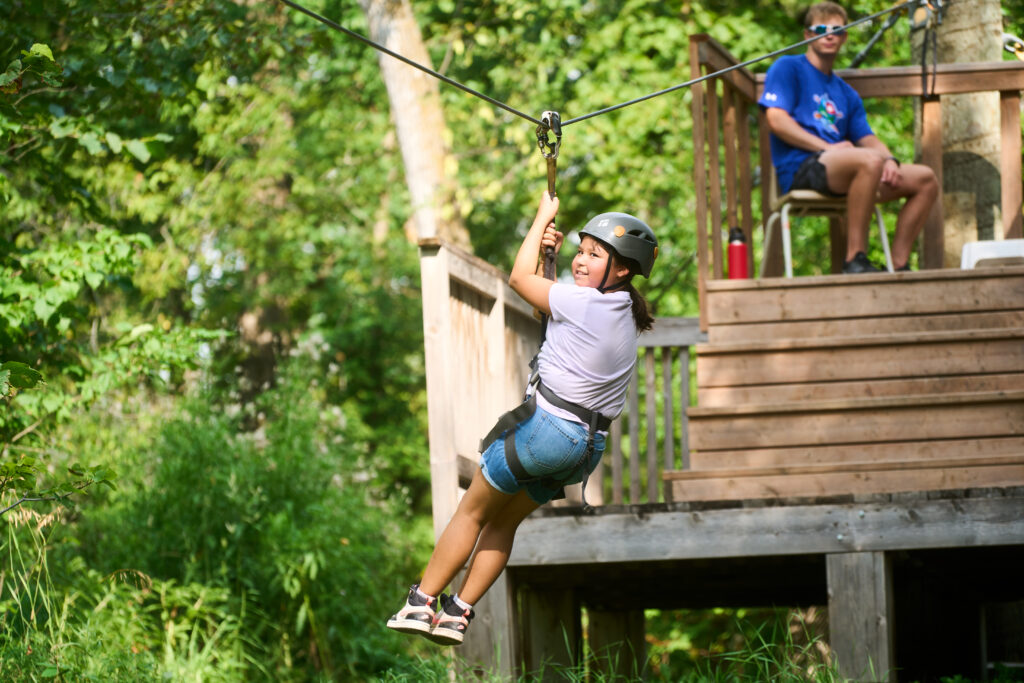
Tamara Prince waves at her children and grandchildren as they zipline through the trees at Camp Firefly. But it is not all smiles and laughs. This camp gives children and youth the opportunity to grieve the deaths of their loved ones while connecting with other kids experiencing loss.
“Even if I am sitting on the sidelines, I want them to know I am here to support them,” Prince says. “I’ll wave and say ‘hey, you’re doing great’ because I want them to have a really good time and have fun, but we will also be addressing why we’re here.”
Prince shares that her family has endured significant losses, including the passing of her daughter, Berlin, who died at 21, leaving behind two young daughters. Prince became a full-time caregiver after Berlin’s death when the girls were just two and four years old. She says the loss deeply affected the children and cites the importance of trying to fill the emotional void with positive and healthy activities.
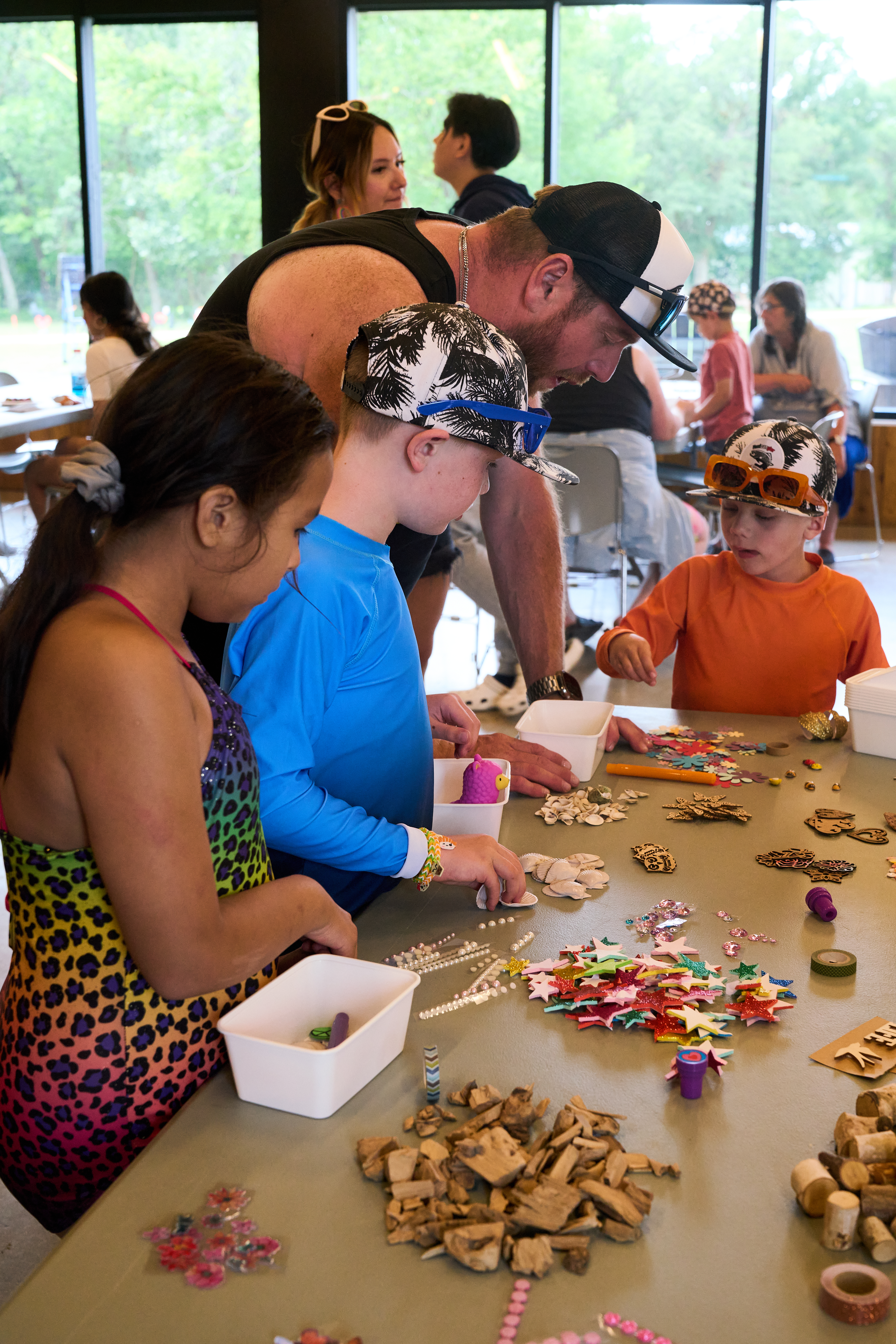
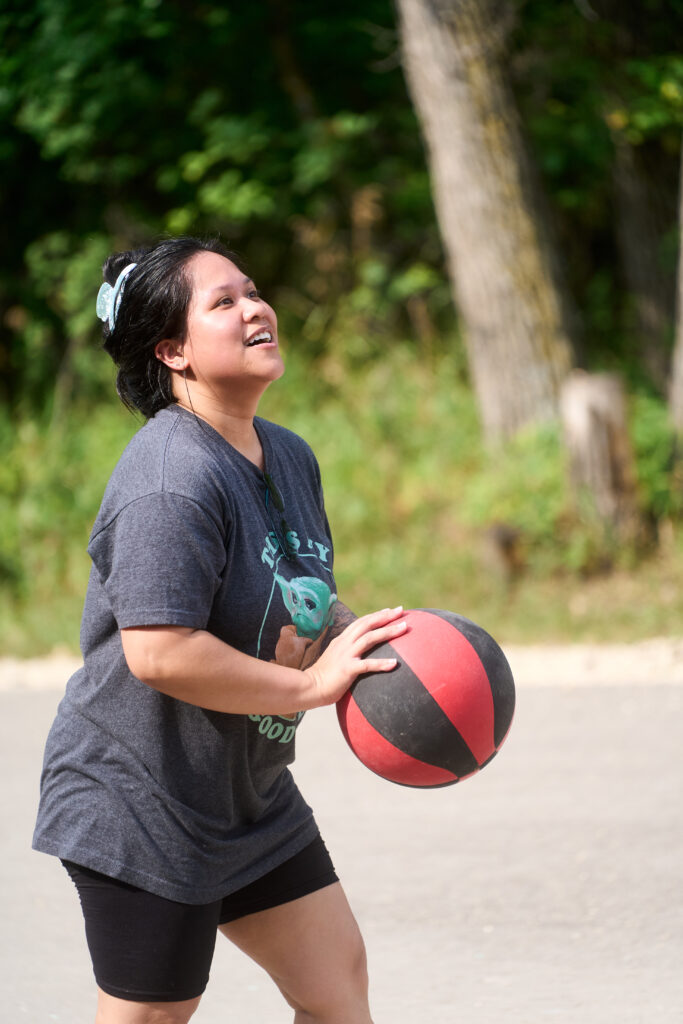
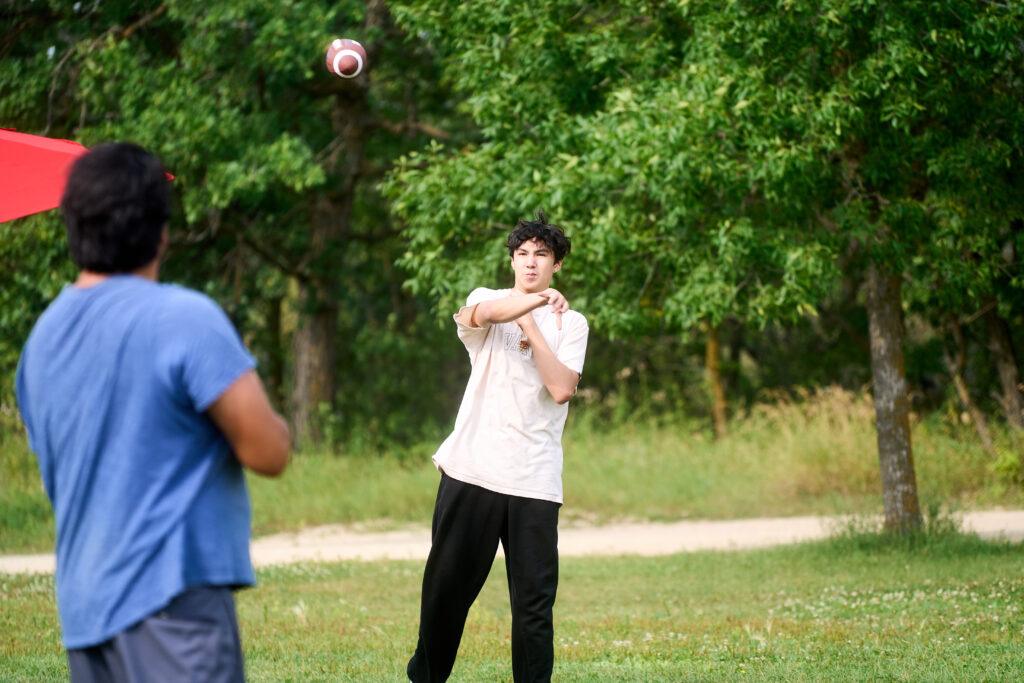
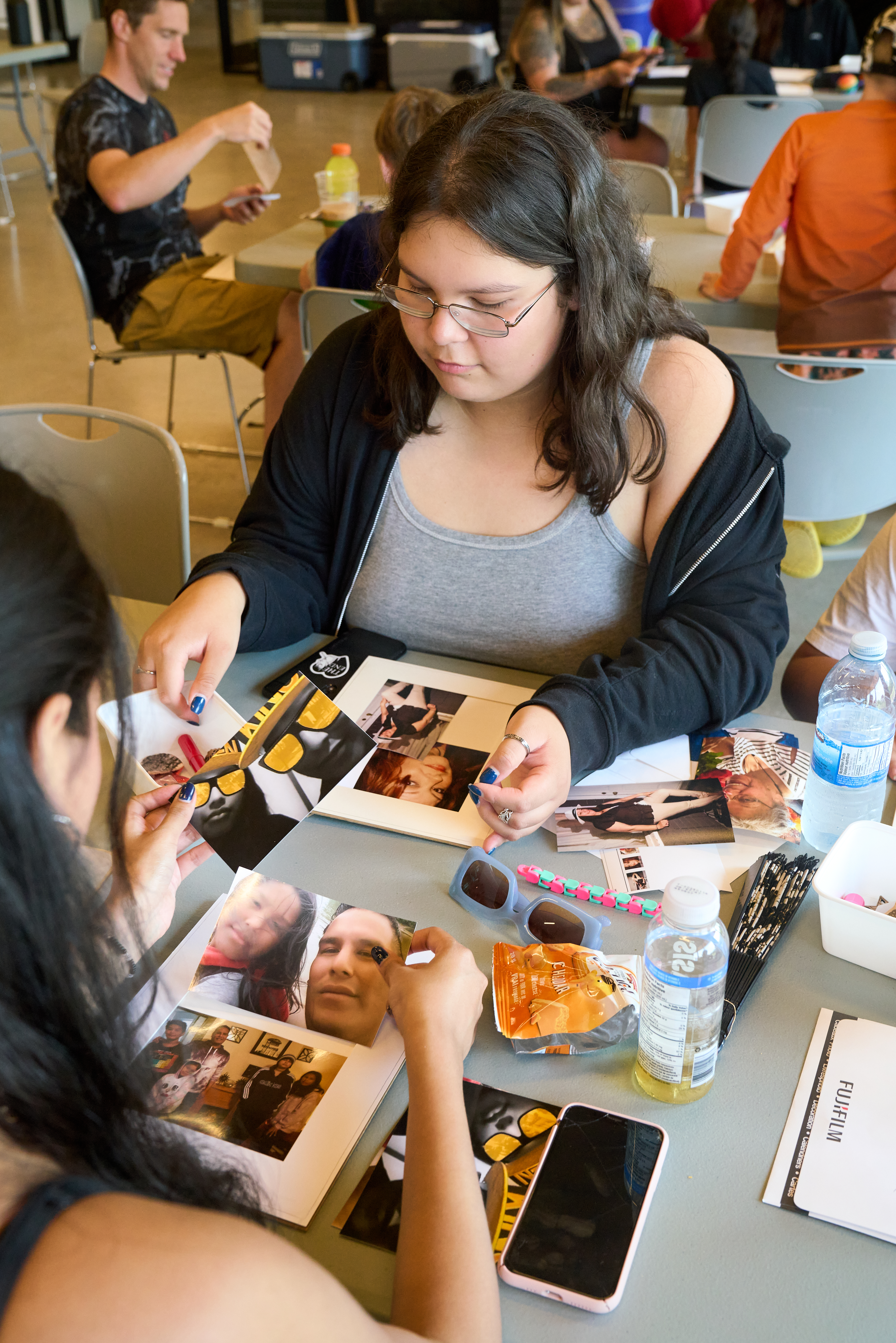
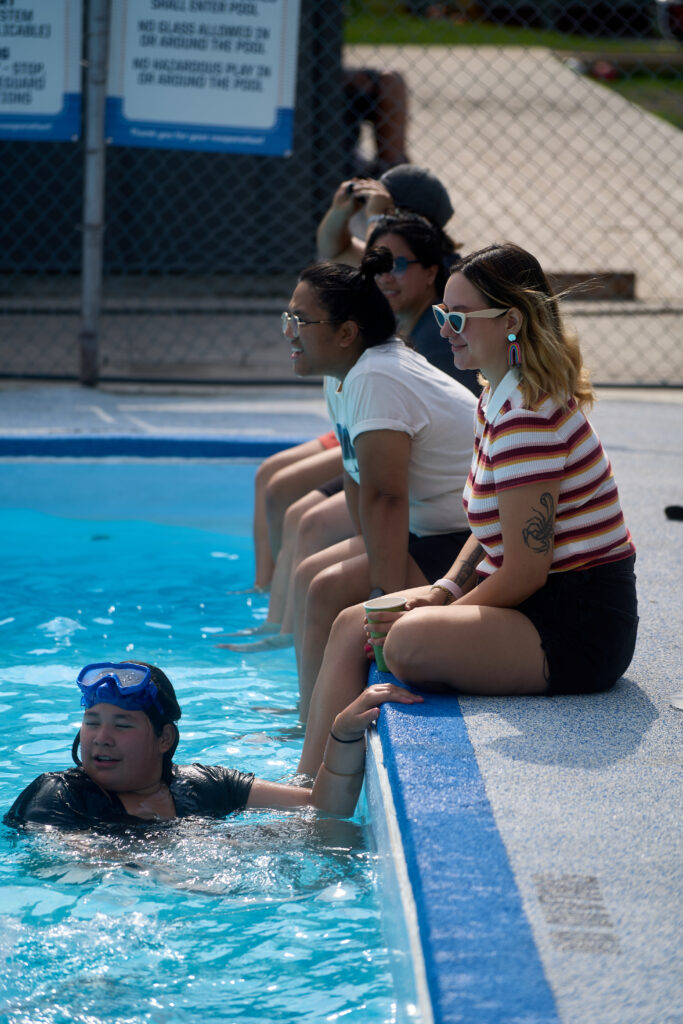
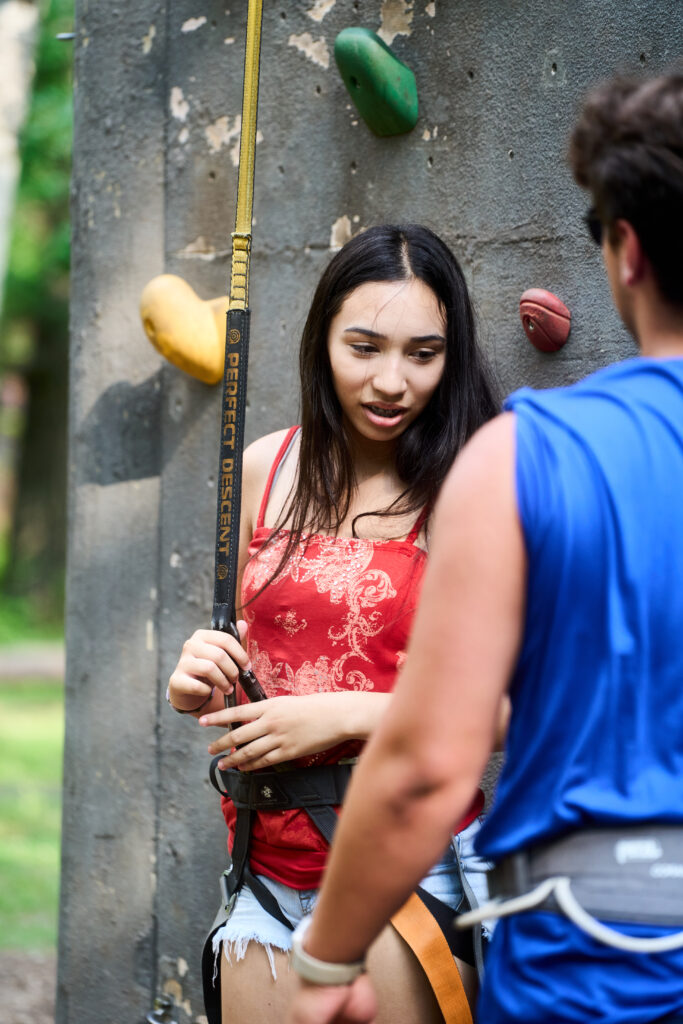
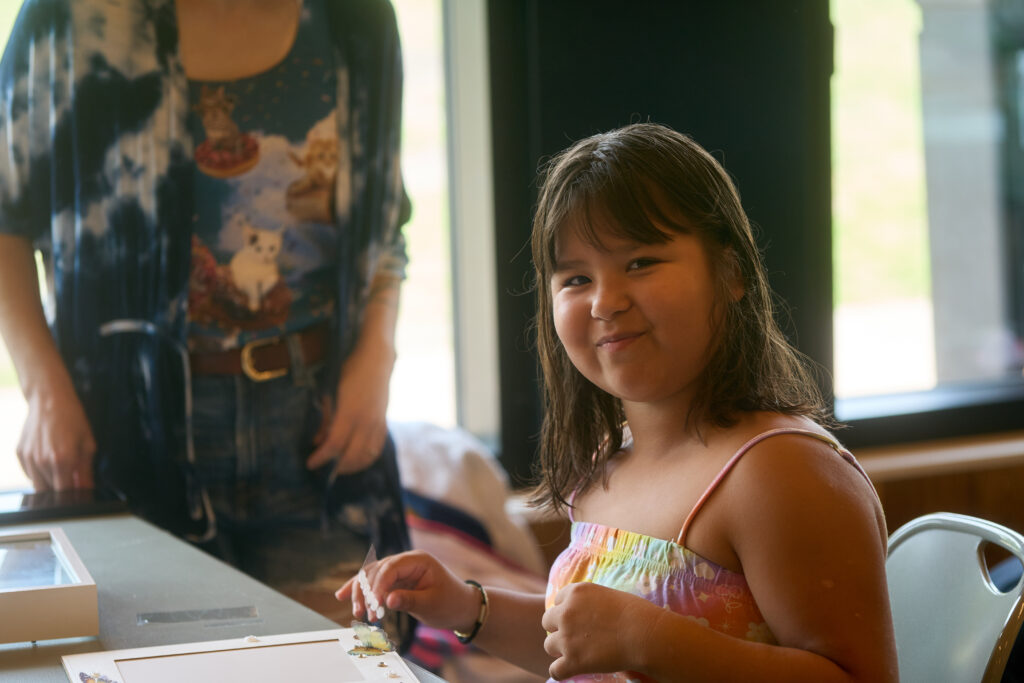
Camp Firefly welcomed more than 30 children to their second annual one-day event. The camp alternates between grief therapy—where kids create picture frames or write letters to loved ones—and fun activities like rock climbing, swimming, and music therapy.
“This grief camp gives us an opportunity to be able to address our grief and also to be able to do it in a safe space, and to have the children doing activities, so it’s not so heavy for them,” Prince says.
Camp Firefly’s Executive Director, Rhys Williams, discovered the concept of grief camp after watching the documentary One Last Hug, which highlighted Camp Erin, a leading grief camp in North America. He said he fell in love with the idea while working as a counsellor in Churchill, Manitoba. “I cried through the whole documentary because it reminded me of a lot of the kids I’ve worked with in my career who have unbelievably difficult experiences with grief trauma,” Williams says.
Williams has spent his adult life in social work, starting with group homes for autistic adults, then Main Street Project, various shelters, and group homes for at-risk youth. He has also worked in schools and jails, gaining experience in different settings.
“Throughout my career, I’ve consistently worked with marginalized communities, including many Indigenous communities, which I consider a privilege,” Williams says. “I’ve always had a passion for developing programs.”
Rather than franchising Camp Erin, Williams was inspired to put a spin on the adopted model and create a grassroots organization tailored specifically for children and youth in Winnipeg and Manitoba. Williams says there is a diverse set of participants, but many identify as Indigenous. To support varying needs, Camp Firefly has incorporated a strong cultural component, led by a dedicated cultural team, which William attributes to the camp’s success.
“We’re going to have kids from many different communities and many different backgrounds and that’s a big part of what makes the Camp work so well,” William says. “I’m not an Indigenous man and I’m very happy and thankful to have an amazing cultural team leading the charge.”
The cultural programming features singing, drumming, and dancing – all interested kids are invited to join. Williams says the response has been very positive.
“I’d say 18 of the 30 kids are Indigenous and many of them had never seen or participated in those activities before,” Williams says. “These kids are leaving this activity saying ‘I want to build my own drum one day’ and, ‘I want to bead my own dress’.”
Williams says Camp Firefly is possible because of the overwhelming support he received from his parents, friends, family, volunteers, and industry peers, including former colleague, Nelson Mayer, who says he loved the concept of grief camp.
“We’ve all been touched by loss. We’ve all been touched by grief, and even adults struggle so much with losing somebody, and so, when Rhys told me about it, I thought, ‘How beautiful is this?’ Having an opportunity to sit with kids let them lead the conversations.” Mayer says that even though it can be tough to discuss the loss of a loved one, it’s crucial to teach kids that it’s okay to talk about their feelings, including sadness and anger, instead of burying them inside.
Prince echoes Mayers sentiment about how challenging it can be to discuss loss, and says, “Berlin’s children will often say ‘I really miss her.’ But my youngest granddaughter recently asked something that really hurt – she said, ‘did she love us?’ I said, ‘absolutely, with all her heart!’ and she said, ‘Well then why did she have to go?’”
Prince shares that although Berlin passed away eight years ago, Camp Firefly has ‘kick-started’ their family’s grieving process. “We’ve been really putting it off because it hurts, but I think it’s about time we face it.”