

Holistic Cultural Support for Those Living with Intellectual Disabilities.
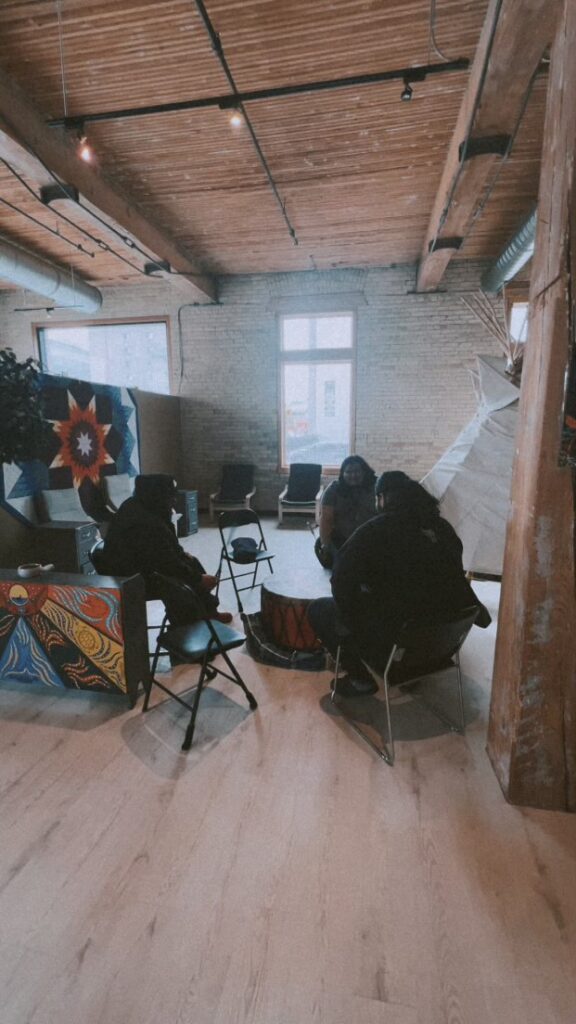
On a weekday morning on Princess St, in the Exchange District of downtown Winnipeg, people drift into Oshki-Giizhig for coffee, conversation, and community. In this beautiful space, participants are welcomed with kindness at the front door. “This is our 11th year in operation,” says Mark Granger, Director of Collaboration and Initiatives at Oshki-Giizhig. “We started in 2014 because although most supports may have been serving Indigenous people, [they did so] without Indigenous knowledge. Community needed something different.”
Oshki is an Indigenous-based non-profit, with holistic supports for folks living with intellectual disabilities, including Fetal Alcohol Spectrum Disorder. Services are developed on a case-by-case basis, with a focus on enhancing spiritual, physical, emotional, and intellectual well-being.
As Granger mentioned, Oshki-Giizhig began in 2014, running outreach services out of Thunderbird House with an initial $30,000 grant. Its two founders, Eric Friesen and the late Grant Duncan, were guided by many partners and community members, including Knowledge Keeper Larry Monkman. Friesen and Duncan had both been working in the disability services sector, but there were gaps when it came to implementing Indigenous knowledge and culture. Monkman gifted the name. “Oshki-Giizhig means ‘new day’ in Ojibwe,” says Granger. “With intellectual disability, every day is kind of a new day. You might need repetition to build skills, but you also start fresh. Yesterday doesn’t decide who you are today.”
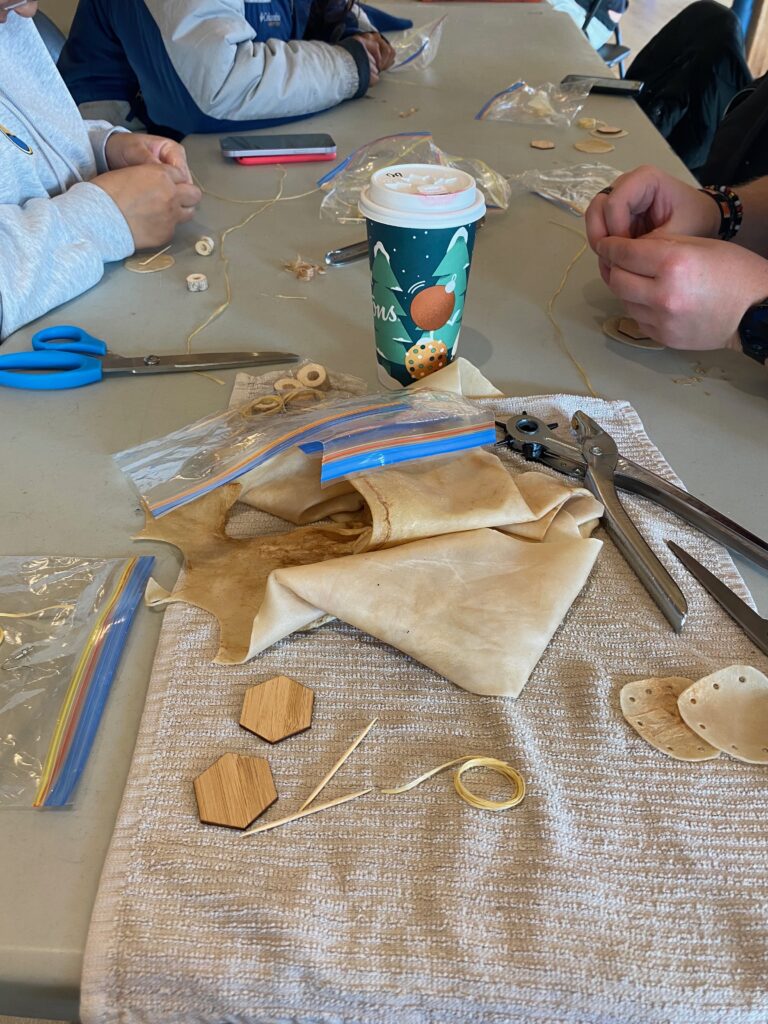
That “new day” idea shows up in how the team works. Early on, folks said they needed rental history and access to affordable housing. Oshki-Giizhig responded with supported independent living through their Wiigiwaam housing support program. From there, services kept building and now include assisting people with acquiring IDs, booking appointments, navigating rental lease agreements, helping with job hunts, and other daily tasks that can seem deceptively simple. “Loving relationships and a reintegration of community and culture and spirituality. Those things go a long way,” says Granger. “When you belong, you can begin again.”
Granger has grown with the organization since he started in 2015, where he initially focused on housing. He moved through outreach, casework, and program leadership, and now, in his new role as Director of Collaboration and Initiatives, tends to partnerships while widening Oshki’s scope of care and increasing their range of services, based on the needs of their community. The learning never stops. “These people are going to teach you more than any class,” he recalls Monkman telling him during his first days back at Thunderbird House. Granger smiles. “And he was right.”
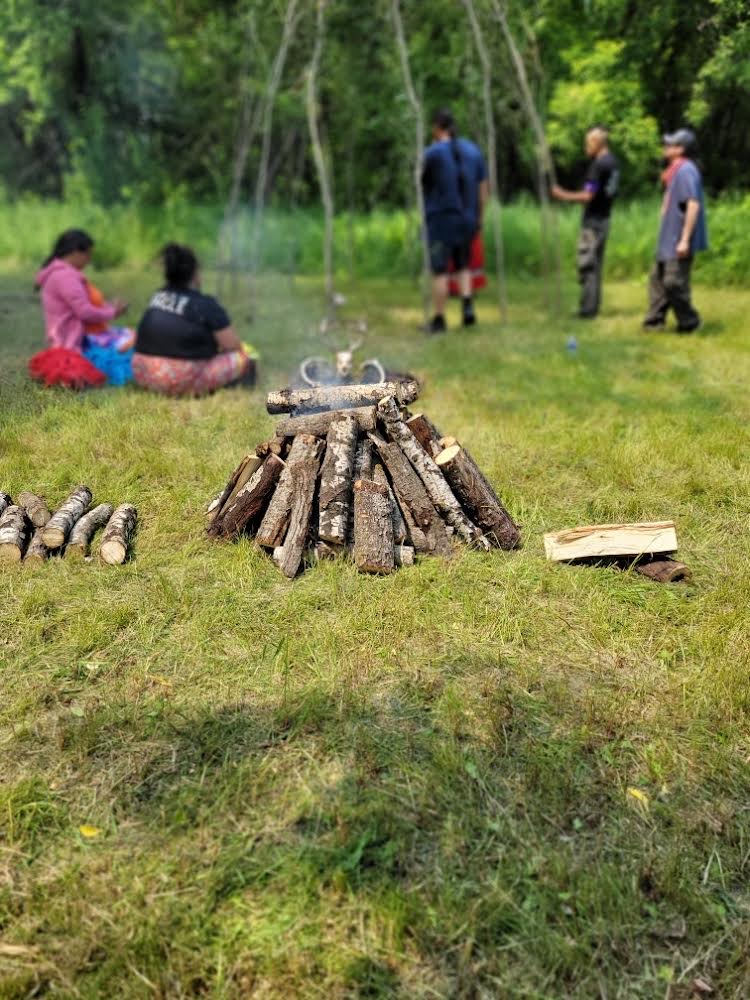
Listening to participants is a core aspect of the job which has sparked bigger dreams for the organization. Granger describes a plan, imagined by many together, of land-based addiction treatment that starts with cultural teachings every day and stays with people when they return to the city. “We asked, ‘What would we do if we could do anything?’ A central lodge, daily ceremony, teachings, community… getting at the root of issues, like attachment and intergenerational trauma, not just the triggers,” he says. With continued support and the right partners, hopeful ideas like this can become reality.
Not every day is easy. The community has carried deep losses since the pandemic—overdoses, violence, the death of founder Grant Duncan in 2021. Staff have expanded their own circles of care to keep going. “We watch out for each other,” says Granger. “Coffee, check-ins, circles. It’s always just so much learning. About systems, about ourselves, and about how to hold on to love in hard times.”
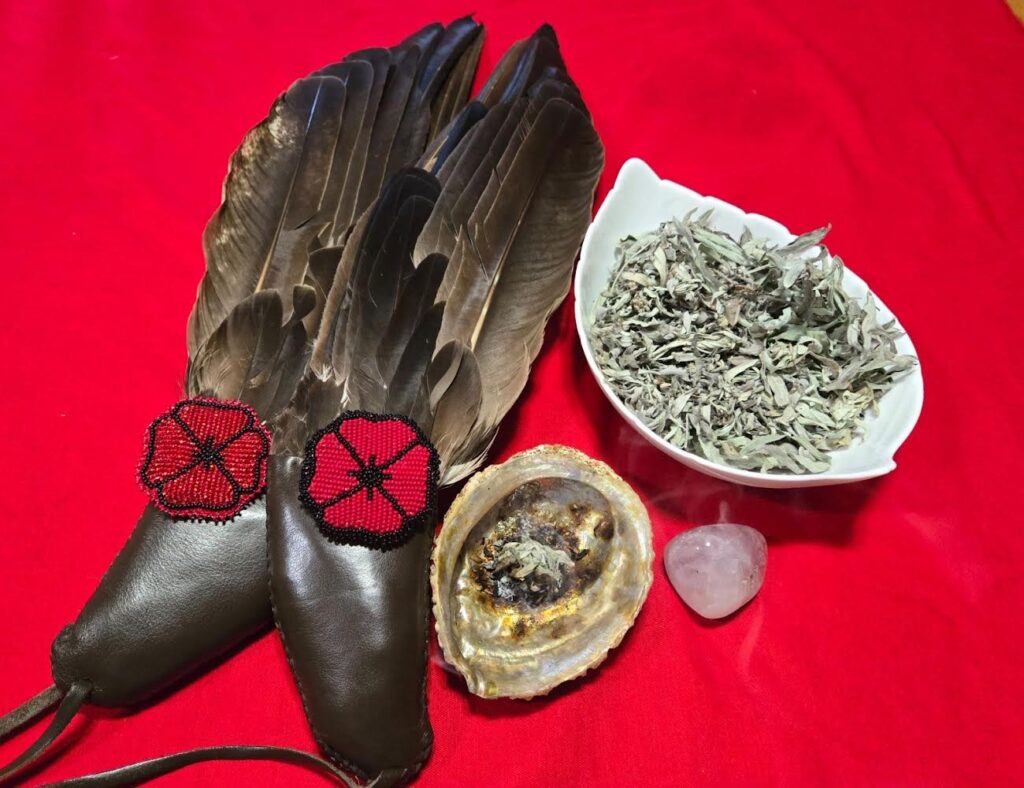
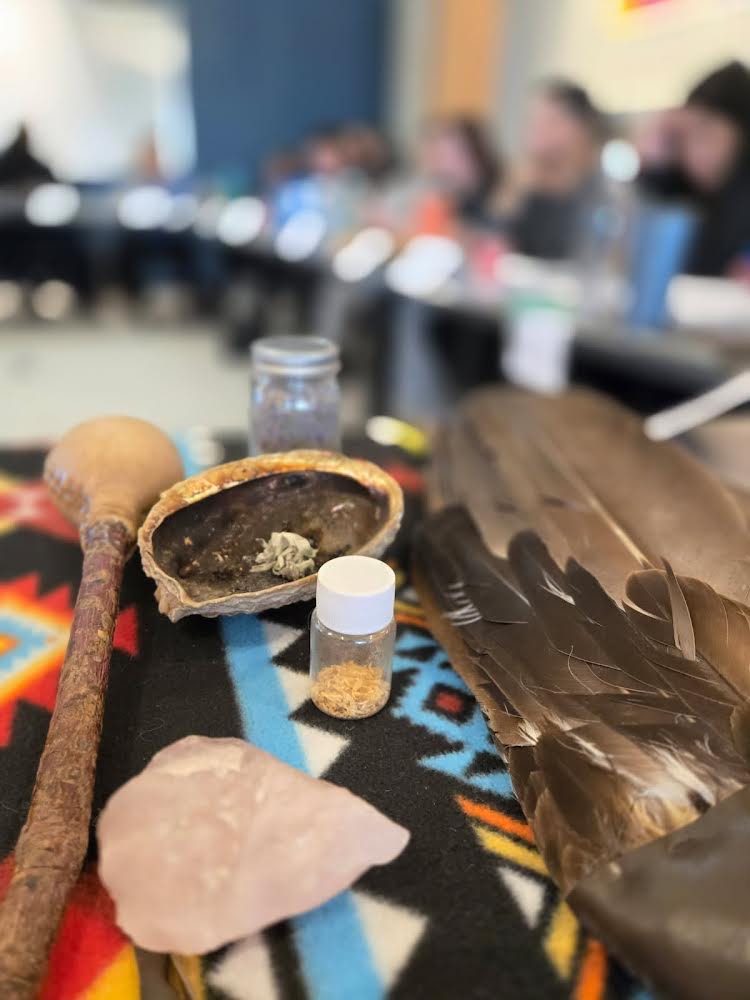
Through it all, Oshki-Giizhig keeps faith with its name. People walk in after a rough night and ask for a ride, a phone call, a conversation, a smudge, a hand up. They are met with patience, and a specific, holistic plan is developed. Every individual is different, and every situation requires a different approach, though there are some shared experiences.
In his new role, Granger is hoping to grow collaborations with First Nations across Manitoba, to share what works in Winnipeg with communities across the province. “We’ve learned a lot together,” he says. “We can keep learning with others.”
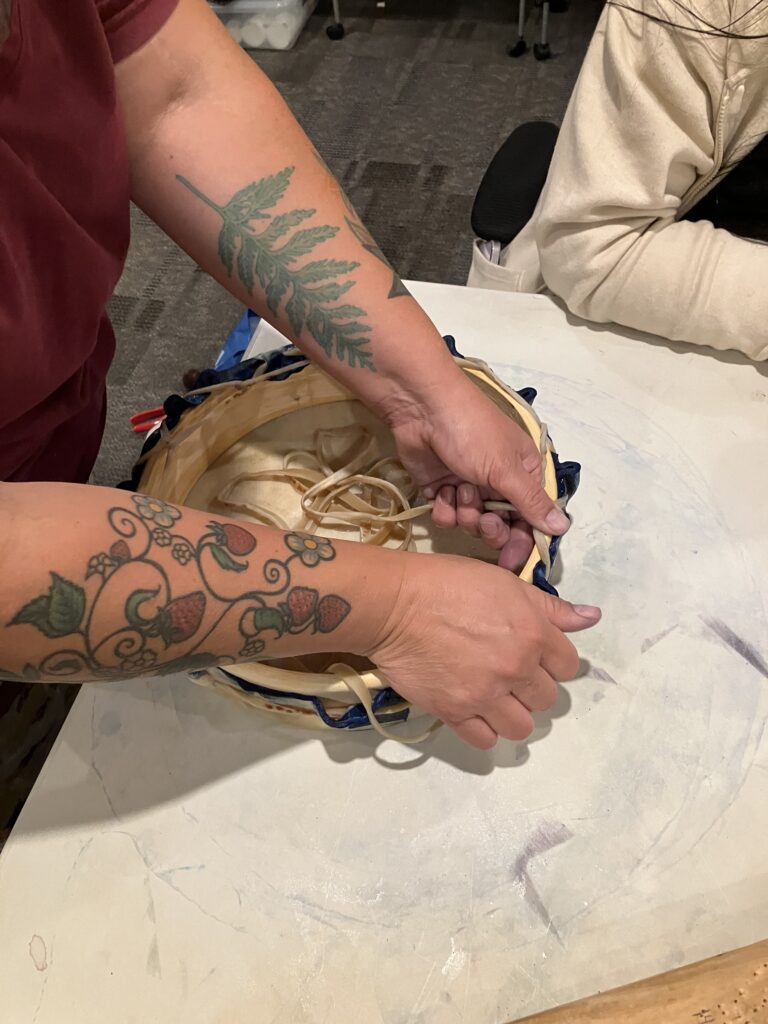
Donors, community, and partners help Oshki-Giizhig welcome each “new day” with care and compassion. Cultural teachings guides everything they do. Relationships are at the centre of the work, and more neighbours are finding their place in the circle.
Oshki-Giizhig recieved a 2025 Multi-Year Grant of $150,000 per year for 4 years ($600,000 total)
To learn more, visit https://oshki-giizhig.org/