
 Environment & Animal Welfare
Land, Learning, and Legacy in Winnipeg’s Inner City
âniskômohcikan (an sko mo chi gun) is nêhiyawêwin (Cree) for connecting —to land, teachings, and traditions. The name is set in lowercase to honour a nêhiyawêwin teaching: no letter is more important than any other. Led by Nature Manitoba, âniskômohcikan brings land-based learning to over 700 youth annually, with plans to reach 1,000 in the coming year. The program serves children aged 7–1 1 from diverse, low-income neighbourhoods like Point Douglas, West Broadway, and Lord Selkirk.
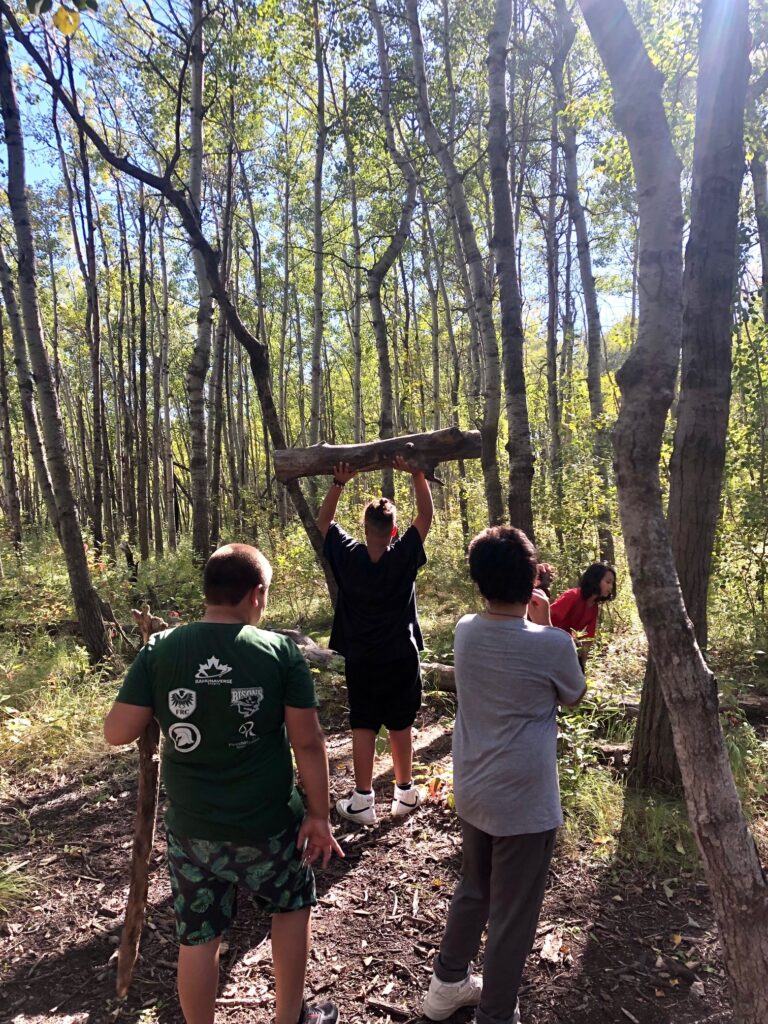
Photo courtesy of Nature Manitoba.
Winnipeg’s inner city is home to a large Indigenous and newcomer population. Green space within these areas is sparse and there is little opportunity for cultural connection to the land. Working primarily with schools in the Winnipeg School Division, âniskômohcikan provides environmental education tailored to meet the needs of children living within these neighbourhoods.
Each session is co-facilitated by Indigenous and non-Indigenous educators, embodying a “Two-Eyed Seeing.” This approach is based on the work of Mi’kmaq Elders Albert and Murdena Marshall and is an inclusive way of learning that draws on the strengths of both Indigenous and Western knowledge systems. Children explore ecosystems through field trips to places like Assiniboine Forest and Living Prairie Museum, while learning about traditional teachings, language, and ceremony. Every activity from tracking animal prints to painting with natural pigments is rooted in reciprocity and respect.
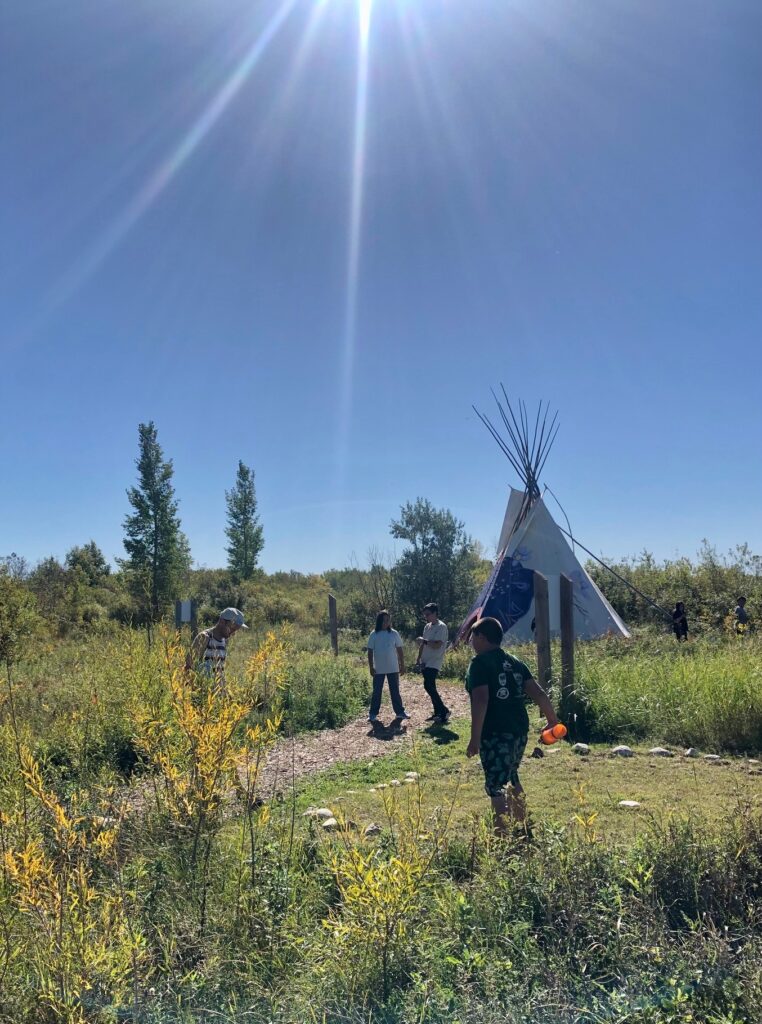
During the 2023/24 school year, Britt Ross and Jamie Vann, âniskômohcikan’s program coordinators, had an outdoor schoolyard session with a class comprised of mostly Indigenous students. During the lesson, the students learned about Cree/Métis teachings on animals and used this knowledge to create art with animal tracks. The next time the program coordinators met with this class was on a field trip to Assiniboine Forest where the students surprised them by acquiring a drum and singing the Bear Song. For Britt and Jamie, this moment stood out as it highlighted how empowered the students felt through their connection to land, culture, and the teachings of reciprocity.
The program’s impact reaches beyond its curriculum. It fosters mental wellness, cultural pride, and environmental stewardship, which is important in a time of climate crisis and rising youth mental health concerns. With support from The Winnipeg Foundation, âniskômohcikan has expanded staffing, deepened relationships with Elders, and continued to offer honoraria to Indigenous Knowledge Holders.