Legacy That Reflects Your Values
Legacy That Reflects Your Values
How Thoughtful Estate Planning Can Support the Community for Generations
A charitable gift in your will can do more than support a cause you care about. With the right planning, a gift can reflect your values, support community, and provide peace of mind today.
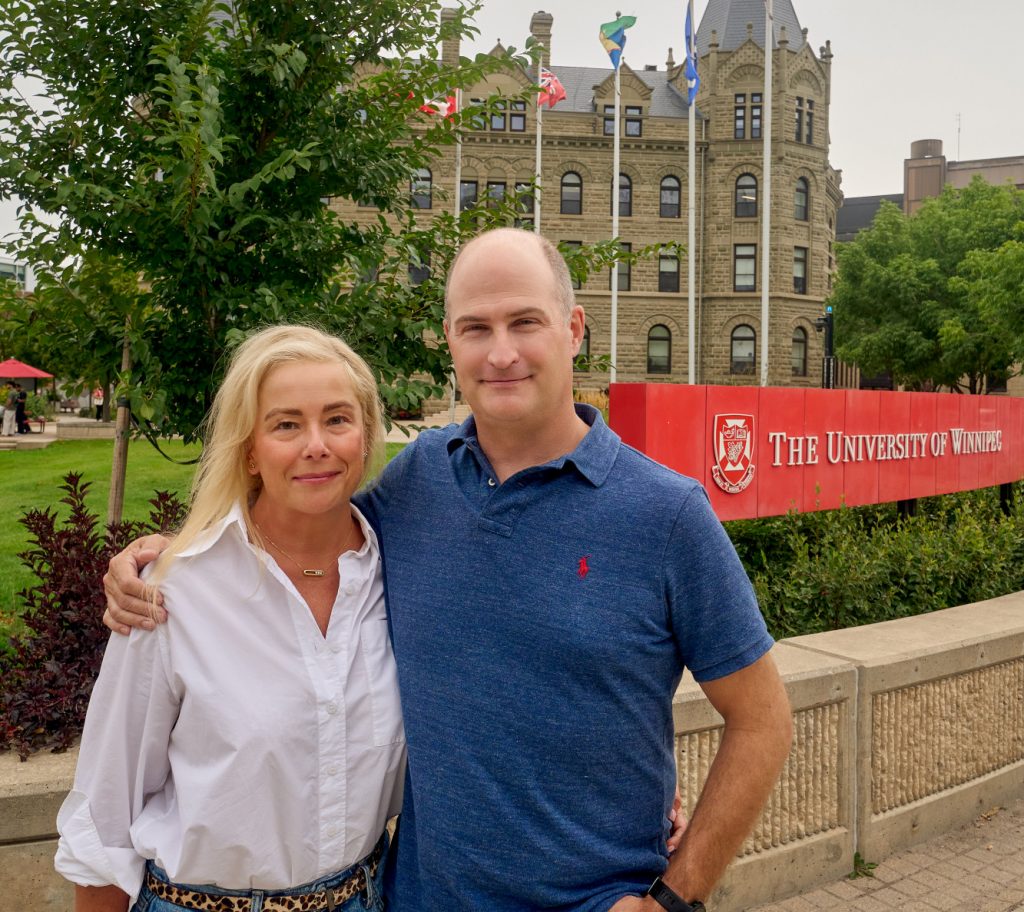
Legacy giving is sometimes described as a way to be remembered. But Cole Southall, Partner at Fillmore Riley LLP, says many people are motivated less by recognition and more by purpose.
“It’s a personal legacy,” Southall says. “Most people are motivated to give because they have a cause that is important to them, not necessarily because they’re going to have their name on a building.”
“There will be some inter vivos gifting, which are gifts during a person’s life,” he continues. “But more often it comes up in the context of estate planning.”
Winnipeg Foundation can help throughout the planning process because there are many ways to give. Some leave a specific dollar amount, while others leave a percentage of what remains in their estate after expenses and debts are paid. Some want to support one charity, while others want their gift to respond more broadly to community needs.
Winnipeg Foundation offers options for people who want their future gift to be thoughtful, flexible, and forever. Donor values can remain clear, even if the best way to meet those values looks different decades from now.
“Most people are motivated to give because they have a cause that is important to them, not necessarily because they’re going to have their name on a building.”
As Southall puts it, many people ask: “How can I benefit this cause without necessarily committing to a specific entity today, when the landscape might look different five, 10, 20, or 30 years from now?”
By working with Winnipeg Foundation, donors can create a plan that carries their wishes forward while allowing for responsible stewardship over time.
“Giving direction to the Winnipeg Foundation fulfills that purpose, especially when clients are planning longer term,” Southall says.
For many, charitable giving is one part of a larger estate plan. They may also be thinking about family, friends, taxes, trustees, or other responsibilities. A lawyer can help ensure a will is properly prepared and reflects the person’s full wishes.
“Philanthropic giving is often a component of [the estate plan], but not necessarily the whole picture,” Southall says. “We’re helping clients think through both their options and the consequences of each option. What is the realistic outcome when you’re going down these different paths?”
The process of creating a will can be daunting, but it can also provide a sense of relief.
“When people sign their wills, and they often say, ‘This is a huge weight off my shoulders,” Southall says. “I hear that all the time. It’s usually something that has been bugging someone for years. As soon as it’s signed, they walk out of the meeting with a sense of relief. This is done.”
A charitable gift in your will starts with a conversation about what matters to you, who you want to support, and what kind of difference you hope to make.
With Winnipeg Foundation, that gift can continue supporting the community you love, not just once, but for generations.