
A Place to Begin Again
Regenesis Centre for Recovery is creating a safer, more inclusive path to long-term recovery by helping women and gender-diverse adults in Winnipeg find stability,…



Written by: Sabrina Carnevale
Photography by: Ian McCausland Photography
In Winnipeg’s Elmwood-Chalmers neighbourhood, the Chalmers Neighbourhood Renewal Corporation (CNRC) is addressing some of the community’s most urgent needs by starting with the basics.
Food. Housing. Connection. Dignity.
At CNRC, those needs are linked. When one falls short, the others become harder to keep up with.
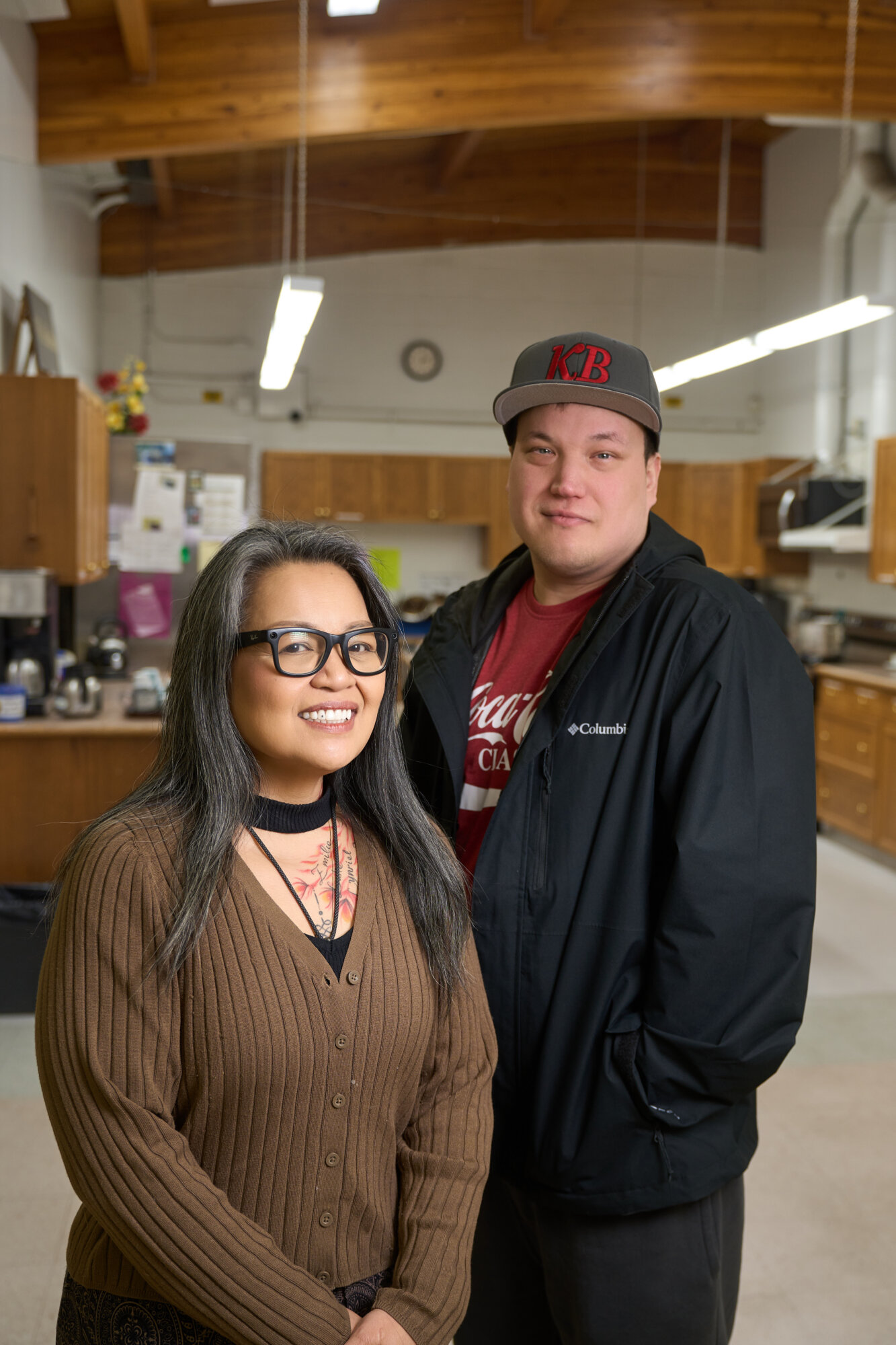
“We serve the underserved population,” says Leilani Villarba, executive director of CNRC. “We focus on those who are isolated, low income, on the verge of homelessness or just looking for resources.”
How support is offered matters. CNRC keeps it respectful and practical, so people don’t feel like they’re taking a handout.

CNRC was established in 2013, building on the work that started in 2010. It serves the area between Henderson Highway, Munroe Avenue, Raleigh Road and the Red River, working directly with residents and community partners. Early on, the focus was on grants, community support and neighbourhood improvements. But that’s changed over time.
Today, programs are shaped by what residents say they need, and the work builds from there.
“Nothing we do is based on assumptions,” Villarba explains. “It’s based on what the people are saying—what our community, our participants and our members are asking for.”
You can see the shift in the numbers. Since Villarba became executive director in 2019, the team has grown from three full-time staff to more than 20. Much of that growth is tied to the Supporting Access to Good Eating program (SAGE), which now sits at the centre of CNRC’s work.
At its core, SAGE is about food security, but it goes beyond that. SAGE brings together food access, job support, volunteer opportunities and transitional housing in one place. The goal is to help people stabilize their day-to-day lives.
That includes CNRC’s Employment Support Program, which offers one-on-one support with resumes, job searches and skills development—services aimed at helping people find employment.
“We have an employment counsellor who will help prepare your resume, find volunteer opportunities, build skills and actively search for jobs with you,” Villarba says.
You can see that support in stories like Kyle Bergen’s.
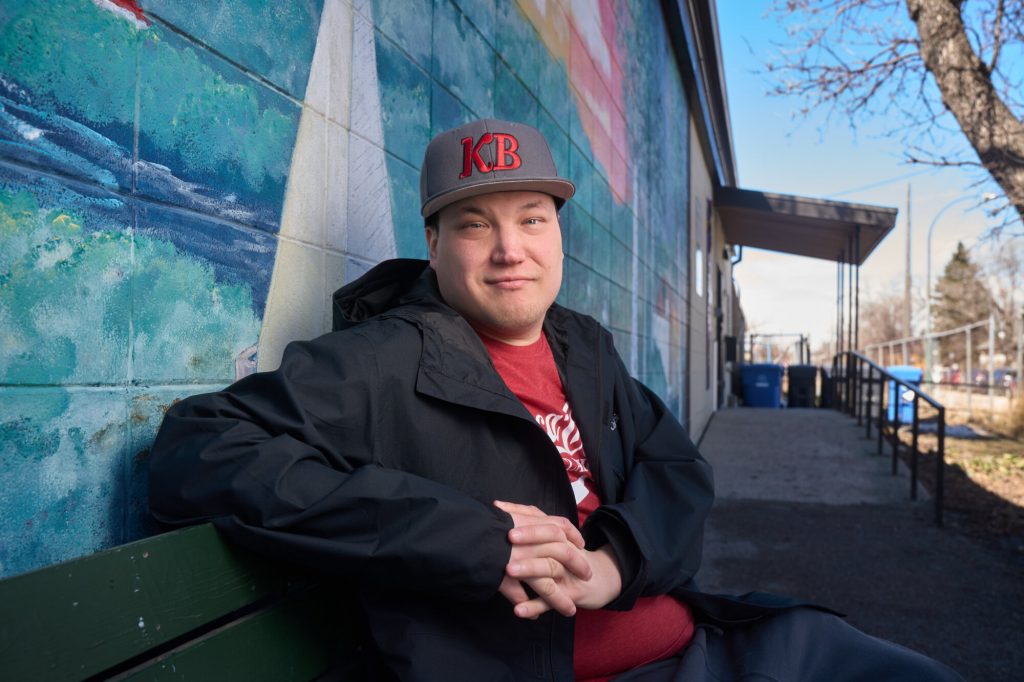
He first connected with CNRC during a difficult stretch, after a medical condition made everyday tasks hard to manage. That’s when he reached out.
It started with help for his lawn care and grew from there.
“They were very resourceful,” he says. “They helped me with my lawn, gave me bus tickets when I needed transportation and even helped me fix up my resume.”
That support helped him rebuild a routine. It also helped him find work.
“I honestly believe it helped,” he says of the resume and employment support he received. “I ended up finding work, and they definitely played a part in that.”
CNRC keeps the approach straightforward. If someone doesn’t have food, housing or a sense of safety, it’s hard to move forward.
“If you want to establish a successful foundation for people, you need to feed them, clothe them and shelter them,” Villarba says. “If they don’t have food, if they’re not housed, if they don’t feel safe—none of it works.”
Food access is a major part of the work.
In this neighbourhood, there aren’t many grocery stores nearby. People often have to travel just to pick up the basics, which makes it harder to find affordable, healthy food.
CNRC has responded by creating several food access points. Its Better Access to Groceries program offers low-cost produce, and its food rescue initiative redistributes more than 6,000 pounds of food that would otherwise go to landfills.
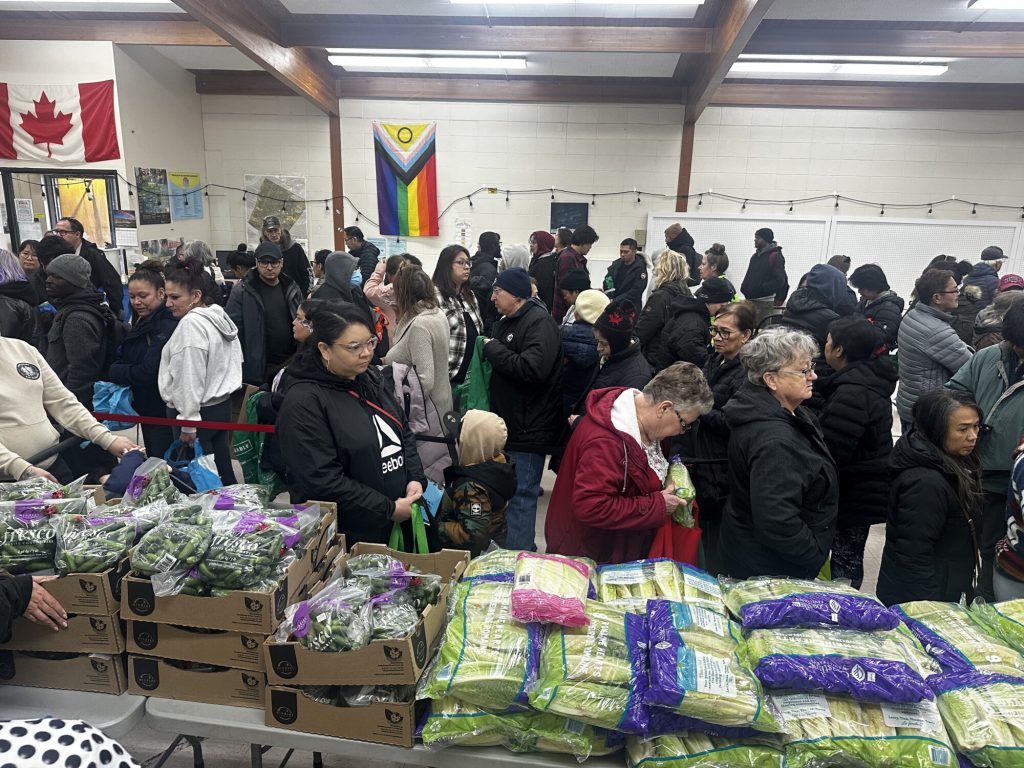
Each week, more than 300 people line up for the food rescue program. There’s no registration or proof of need required. People simply show up and take what they need. It doesn’t operate like a traditional food bank or store, but rather as a free food giveaway, where taking food also means helping reduce waste.
The setup is deliberate. It removes some of the barriers people face with traditional food programs and reframes the experience.
“It’s not charity,” Villarba says. “They’re helping us save the planet.”
That shift in language and perspective is intentional. It changes how people feel when they walk in.
That sense of accessibility and dignity stood out to Bergen right away.
“Everyone there is very nice,” he says. “It’s such a friendly, welcoming atmosphere.”
CNRC is also planning a low-cost food store on Ottawa Street, with support from Winnipeg Foundation. It will offer food people can afford, including items that are still safe to eat but close to their expiry date.
Partners like Community Helpers Unite, Brandon Food Rescue and Climate Change Connection will supply food that would otherwise go to waste.
Food is one piece, employment is another, and housing is the third.
CNRC is working to develop transitional housing for people who don’t qualify for shelters but are at risk of losing their homes. It’s meant to give people some stability during periods of change, whether that’s job loss, illness or other setbacks.
“People can go from being stable to having nothing in a very short period of time,” Villarba says. “And when that happens, there’s often nowhere for them to go.”
That gap is where CNRC focuses its efforts.
You can see the impact in how people stay connected. Someone might first come for a meal, then start volunteering and later look for help finding work. Over time, they shift from needing support to giving it.
“When people keep coming back, not because they need help, but because they want to give back, that’s when we know we’re making a difference,” Villarba says.
That sense of community is at the heart of CNRC’s work. What began as a neighbourhood renewal organization has become a place where people can access food, find support, build skills and reconnect with others.
It starts with the basics, and it builds from there.
Stories