The Yap-Ong Family Fund
Through Concert for a Cause, Paul Ong has turned his love of music into lasting community impact, raising funds for local organizations and establishing…



By: Cathy Auld
Photo credit for Zuken park: “Joe Zuken Heritage Park Marker, City of Winnipeg, Historical Buildings & Resources Committee, 2009”
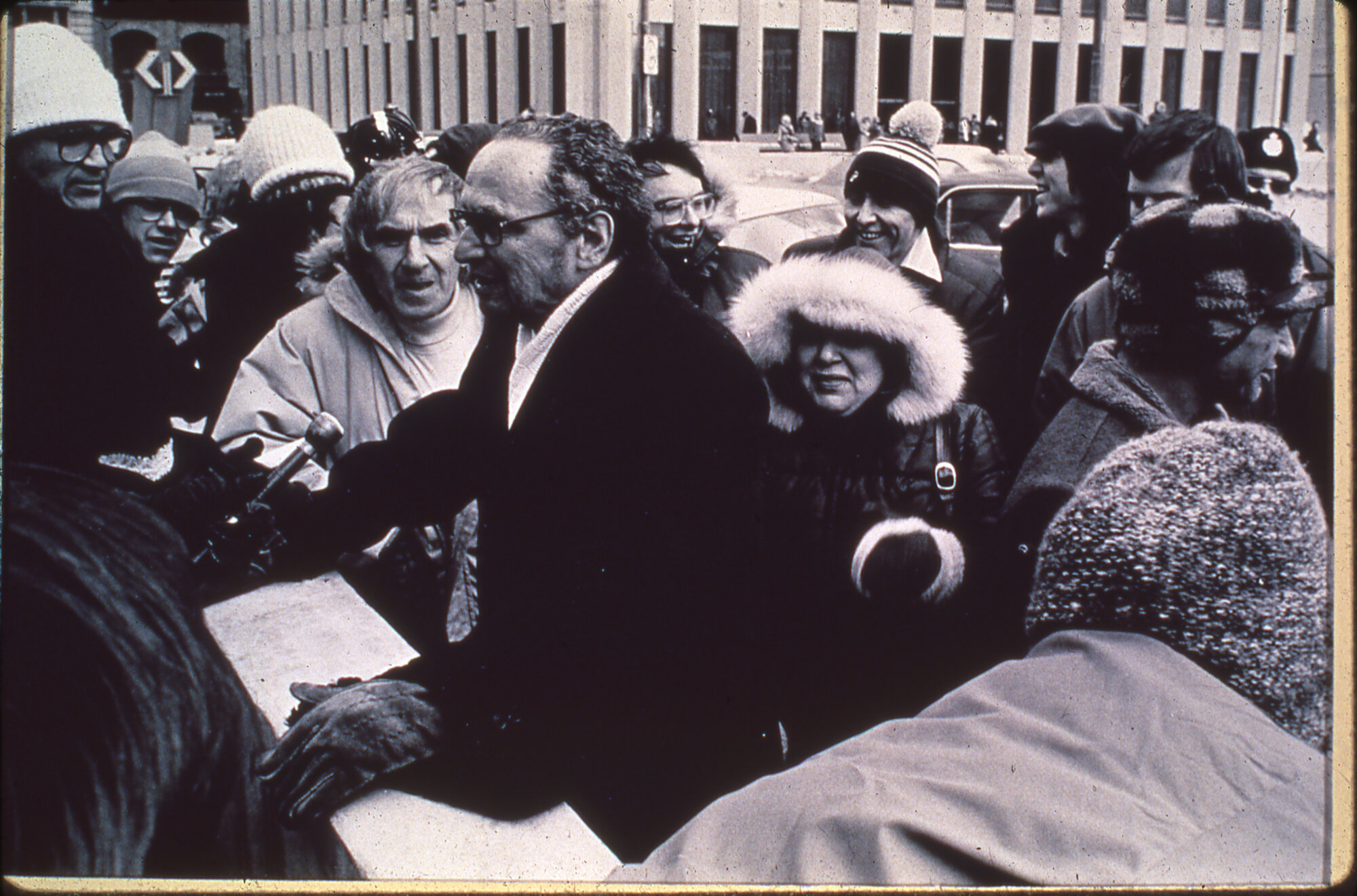
Photo credit for Portage and Main protest: University of Winnipeg Archives, Western Canada Pictorial Index, Miscellaneous Collection (A0435, 14016)
Notable on an alphabetical list, from A through Z, of people and organizations active in our community is Joseph (Joe) Zuken. Joe was born in Ukraine in 1912, and in the winter of 1914 his family, father, mother, and older brother Bill, made their home in Winnipeg’s North End. Like other new immigrants, the Zuken family built a life for themselves while identifying opportunities to support others. After a workplace accident in a packing plant, Joe’s father lost his job. Joe’s parents then operated a “mom and pop” store, which eventually grew into two stores, where they offered credit to customers but never tried to collect what was owed to them.
Early in his youth, Joe demonstrated keen observational skills, curiosity, and a belief in social good. Though he was only seven years old at the time of the Winnipeg General Strike in 1919, he heard stories from people gathering and making speeches at Market Square. He was fascinated by the debates, and moved from group to group, listening and learning.
Joe’s experiences in the education system deepened his interest in social activism and addressing equity and disparity. When he was in St. John’s Technical High School, his mother had to borrow money to pay for textbooks and for exams, items not covered by the public school system.
After high school, Zuken did some tutoring work and taught Yiddish literature and history part-time in a Jewish school in the north end of Winnipeg. He aspired to enroll in university but lacked the money to pay tuition fees. His brother helped financially so that one of them could pursue this. Joe graduated in law from the University of Manitoba in 1936. Lacking funds to pay the entrance fee to be admitted to the Bar Association after graduation, he later established his law practice in 1941.
Joe Zuken’s 42 consecutive years of service to the public good are a reminder of how he lived his values. As an elected school trustee, he championed free textbooks and the creation of universal kindergarten, and wanted the public school system to recognize how social and economic factors impacted students ability to learn and thrive. Zuken advocated for access to primary health care in his constituency, leading to the establishment of Seven Oaks Hospital. When it came to his accomplishments, Zuken would defer to collective efforts that led to positive change, claiming he was active at a strategic time.
Nominated as a candidate by the Labour Election Committee in 1961, Zuken served as a member of the City of Winnipeg Council until 1986. Zuken recognized the need for cooperation between levels of government on matters of health, housing, social assistance, and urban planning.
In his later years, Zuken was honoured with a City of Winnipeg Service Award, an honorary law degree from the University of Winnipeg, induction as an Officer of the Buffalo Hunt by the Province of Manitoba, and Distinguished Service Award from the University of Manitoba.
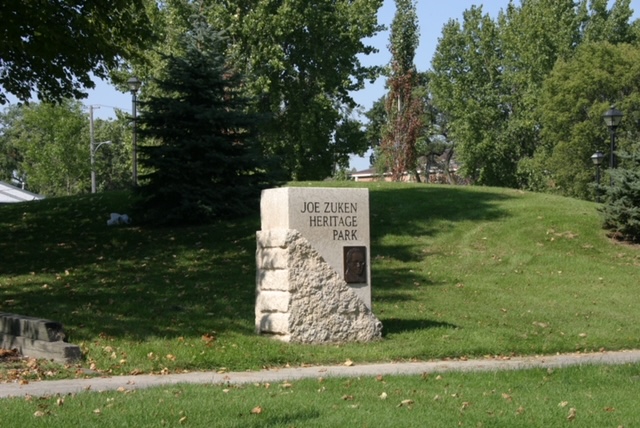
It is now 40 years since Joe’s passing. Upon his death in 1986, a group of citizens came together to establish the Joseph Zuken Memorial Association. This group of friends and colleagues wanted to shine a light on Joe’s dedicated contributions in community. A public appeal for financial contributions launched the Joseph Zuken Memorial Trust Fund at Winnipeg Foundation.
The Joseph Zuken Citizen Activist Award, created in 1987, recognizes individuals or groups that make contributions to the community and to Winnipeg. Focused areas include education, social justice policy, law, municipal government, the arts, and the Yiddish language.
In keeping with Zuken’s interest in education, the Joe Zuken Scholarship at the University of Winnipeg supports Indigenous students in the Department of Urban and Inner-City Studies.
Stories