Many Paths to Financial Empowerment
SEED Winnipeg provides practical financial supports that help Manitobans access benefits, manage money, build businesses, and work toward greater financial security and opportunity.



Asum Api Niikinaahk (Asum Api) is Winnipeg’s Tiny Homes project which welcomed residents for the first time in January 2023. There are 22 unites in total, 18 are bachelor-style units at 170 square feet each, and the four remaining units are available for people facing mobility challenges, utilizing walkers, wheelchairs, or motorized scooters. These accessible units are 400 square feet.
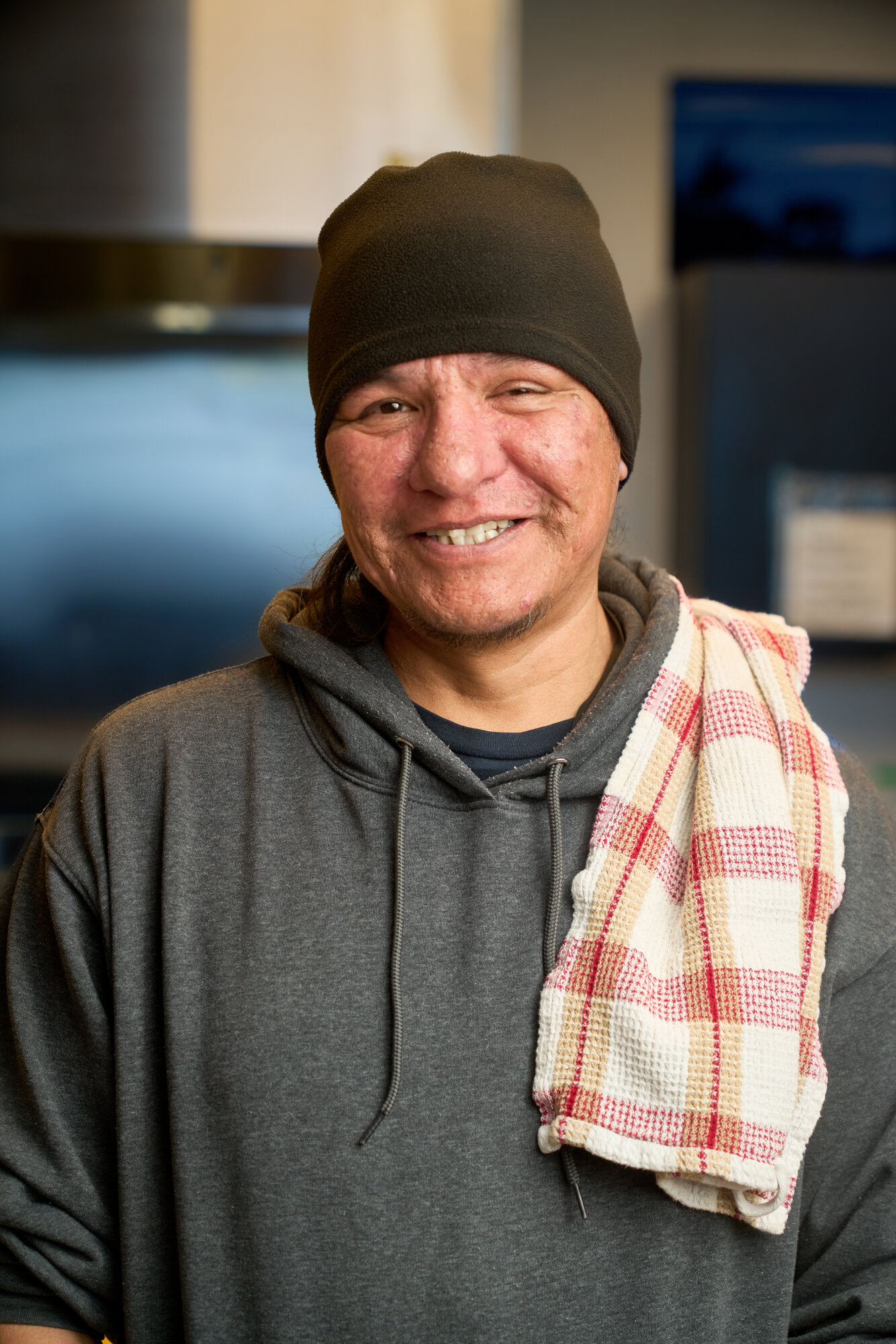
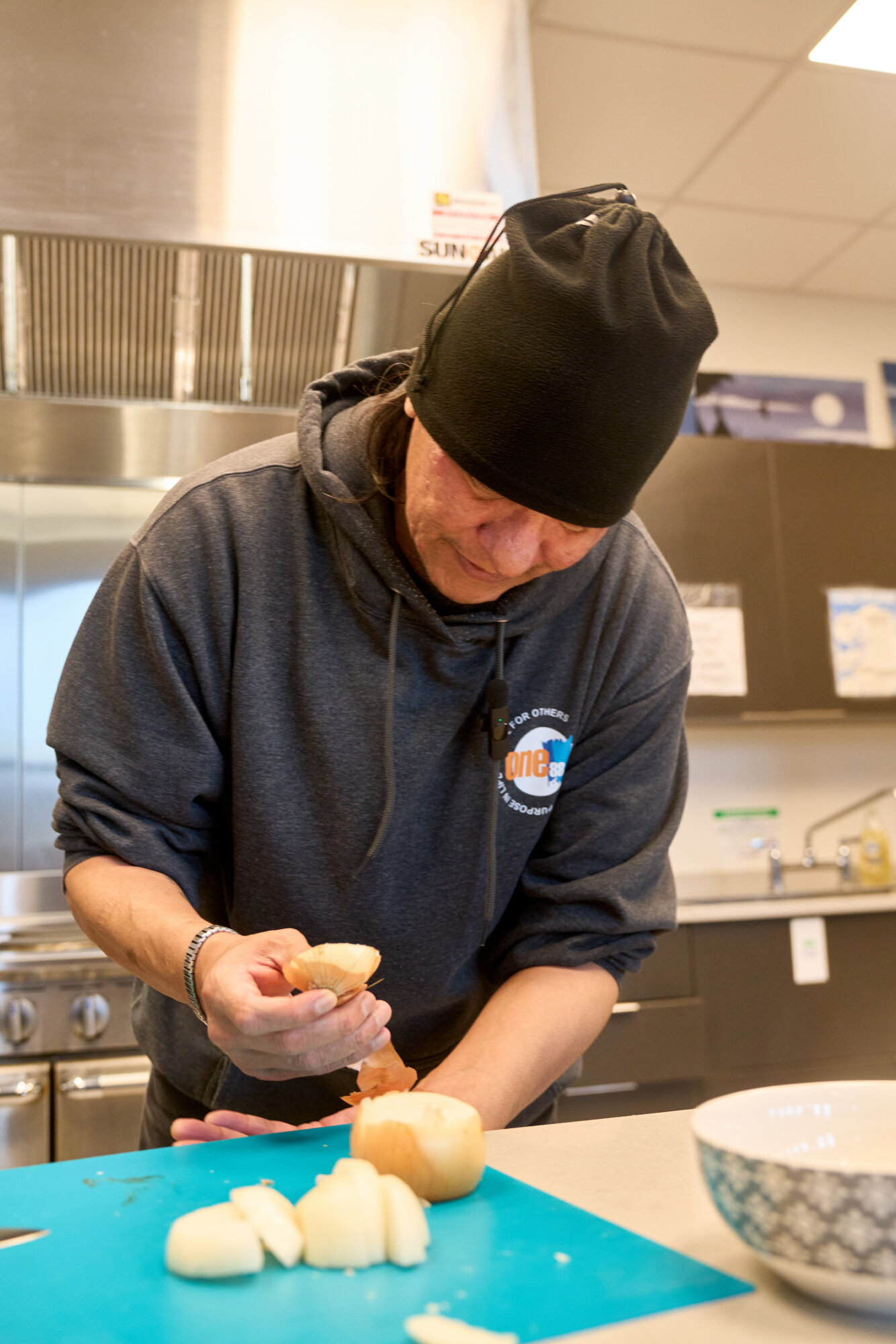
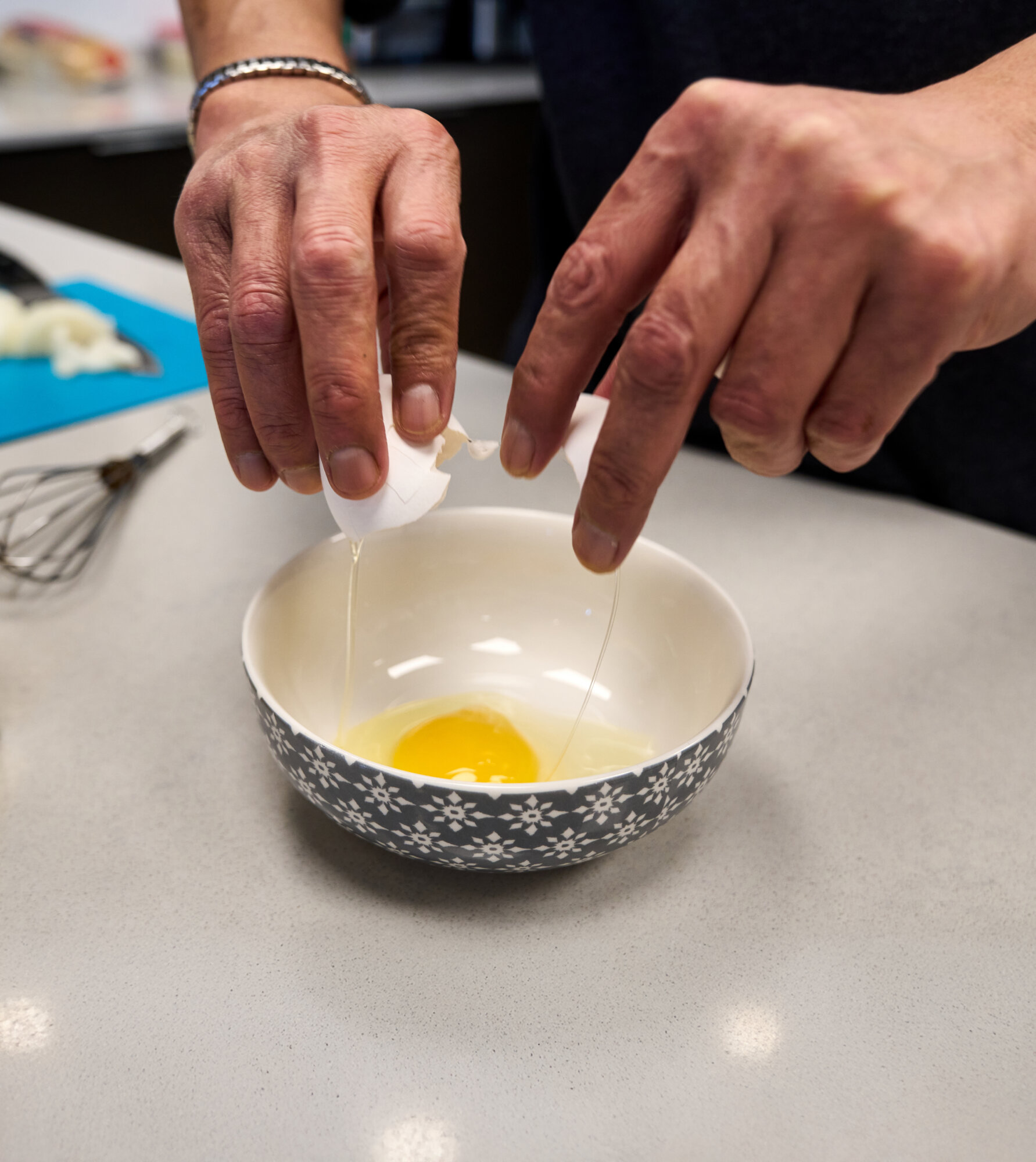
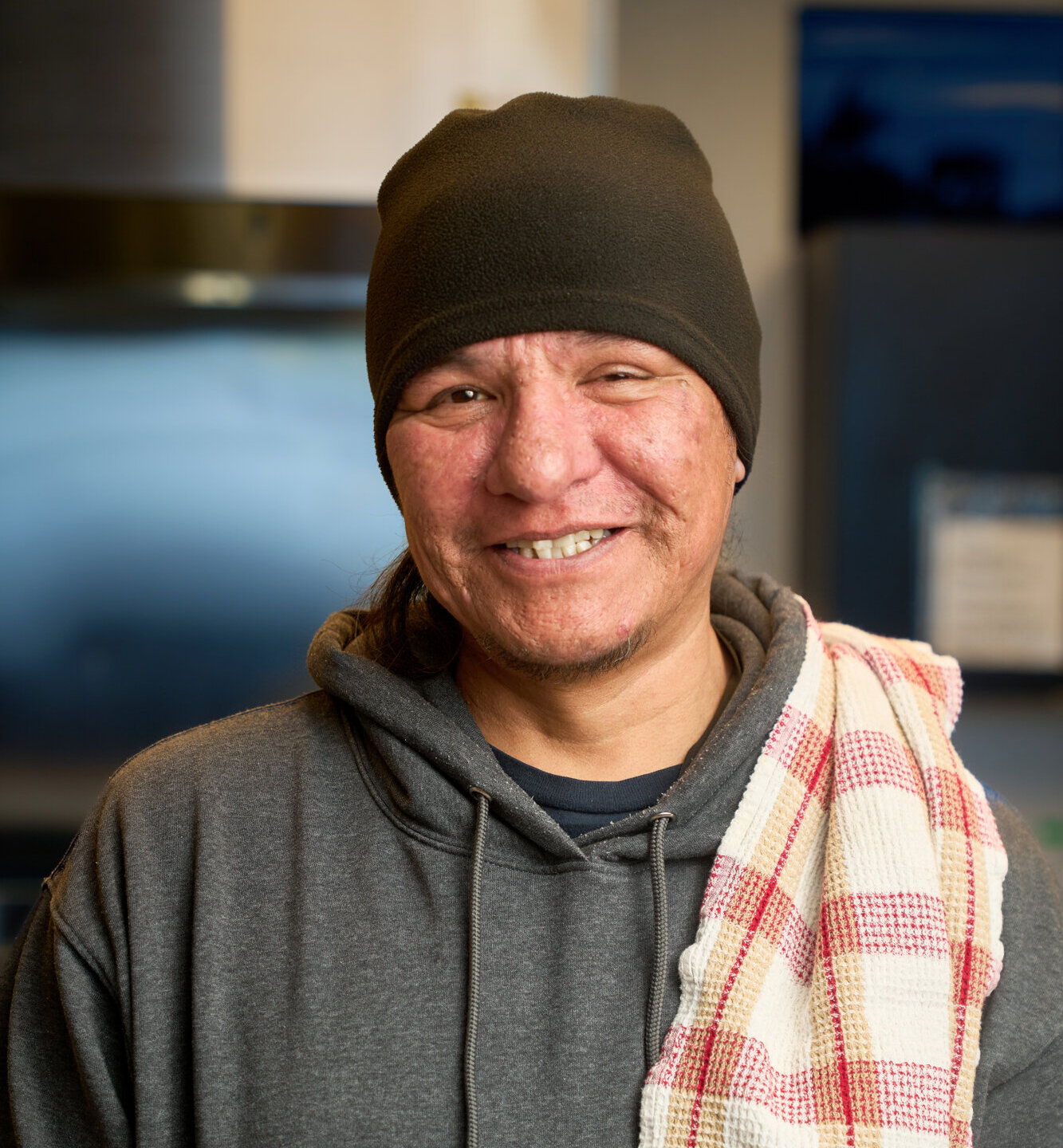
“I started cooking at a young age with my grandmother. I was raised by my grandparents and my grandmother always told me that ‘you have to learn how to cook because you’re not gonna always have me around or my grandfather around all the time,” says Bell. “Learn to cook, learn how to fend for yourself.”
Bell also studied culinary arts in Brandon, as well as helping out at his cousin’s food truck along the Sioux Pow Wow trail in southern Manitoba—including Sioux Valley, Pipestone, Birdtail Sioux, and Dakota Tipi—and enjoyed the fast-paced cooking environment. Cooking at Astum Api for residents is a more relaxing endeavor, he says.
“Sometimes I just sit in silence and enjoy them enjoying the food,” says Bell. “I wanted to share my cooking skills, but the recipe always changes. It’s never the same, I experiment, I cook in different styles. I’m still getting to know everybody here, but I guess the cooking helps.”
Bell also volunteers at a few other organizations nearby in his spare time, and took his safe food handling course back in April 2024, after he moved into Astum Api. He enjoys the routine and structure that cooking brings.
“This place helped me a lot,” says Bell.
Astum Api Niikinaahk translates to ‘Come and sit at our home’ in Michif, a Métis language. Elder Charlotte Nolan gifted the name through a pipe ceremony. The name came to her on the third night of her ceremony, through a dream.
“She has allowed me to discuss this, with community,” says Stone. “She had a dream that there was a man sitting on the tree just outside our gates. And she was walking from Thunderbird House, and this man said ‘Api. Astum, api. Niikinaahk’. He explained to her that this was his place, and to ‘come and sit at his home.’”
“We need more space, more rooms, more Indigenous lands, harm reduction-focused programs, housing, transitional housing for folks,” says Stone. “We have 24 hour staffing. Awake staff. We’re always open, even on Christmas, even on statutory holidays, we never close because that’s a huge barrier for people who live unsheltered. Our lived experience circle who guided us on the entire project, said it was important to have staff here 24 hours a day.”
In addition to the housing units, there’s also a robust offering of programming and training for residents, including Rental Tenancy Act training, cultural ceremonies, hoarding issues programs, life skills programs, food and healthy eating programs, art therapy, Indigenous Yoga, games nights, movie nights, and anything else the community might request. Four tenants are also going to school to further their education.
“The people at Astum Api have the biggest hearts. They’ve had really horrible things happen to them where they’ve been on their own for so long, and they need support from us as a community. All of Winnipeg,” says Stone. “We need the patience and understanding to see that people heal differently and people go through hard times, but they’re resilient and we need to help as best we can.”
Photos from the field.
Stories