Many Paths to Financial Empowerment
SEED Winnipeg provides practical financial supports that help Manitobans access benefits, manage money, build businesses, and work toward greater financial security and opportunity.



By: Nolan Bicknell
Photo credit: Kyle Thomas
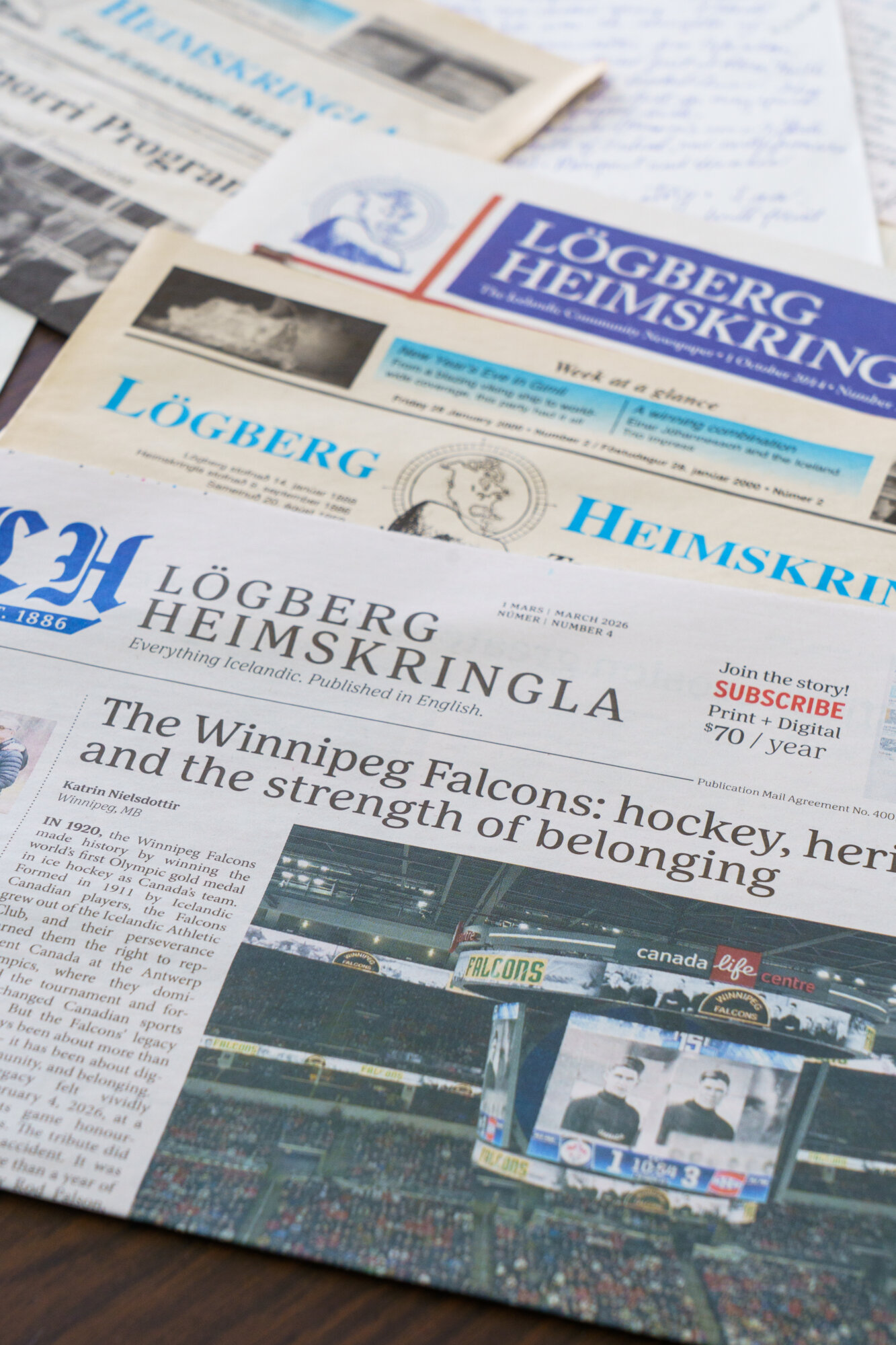
For nearly 140 years, Lögberg-Heimskringla has been a steady thread connecting people, stories, and traditions across generations. First published in 1886, the newspaper continues to serve as a gathering place for Manitoba’s Icelandic community, honouring heritage while adapting to modern needs.
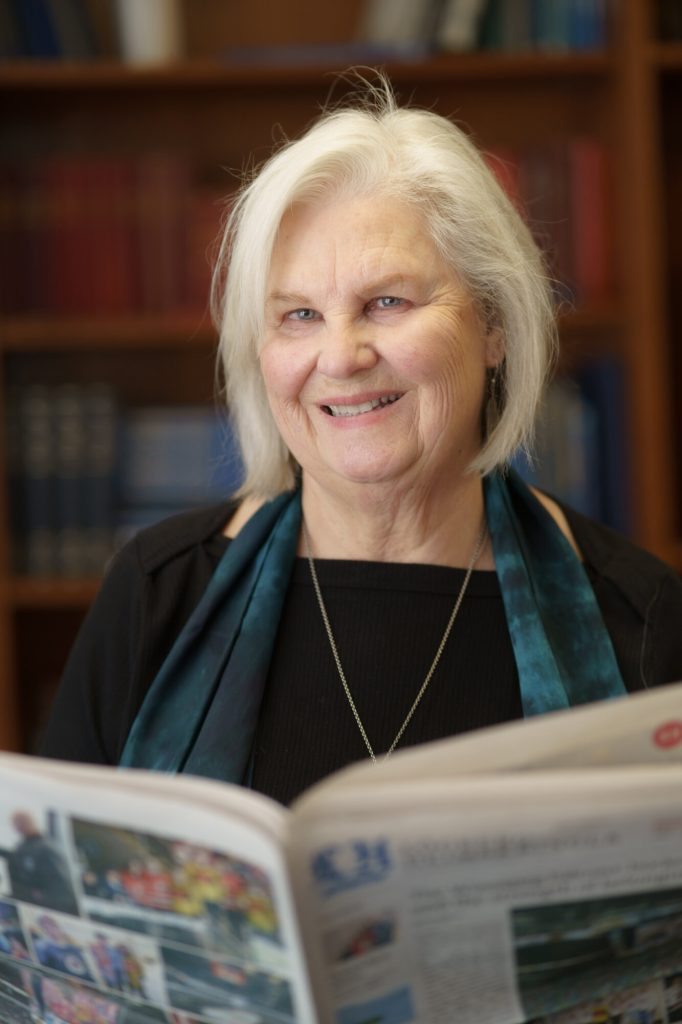
“It’s one of the oldest and longest-running ethnic newspapers, I believe, in Canada and close to one of the oldest in North America,” says Karen Botting, President of the Board. “The purpose of the newspaper has really been to keep the Icelandic community connected and keep us informed.”
In its earliest days, the paper filled a vital role. “It started out different. It was more like news to keep in touch in the 1880s. That’s the only way they communicated,” Botting explains. “They didn’t have all the technology we have today.” While technology has transformed how people share information, the heart of the publication remains the same. “Technology certainly changed things up for us, but now it’s to keep us connected.”
That sense of connection is especially important for the modest Manitoba community. “With our Icelandic community, which is very small and also connected with Iceland… just to keep that heritage and culture going,” says Botting. “It’s also as a way of building community.”
Through its pages, Lögberg-Heimskringla reflects both past and present. It shares community milestones, family stories, and history alongside updates from Iceland.
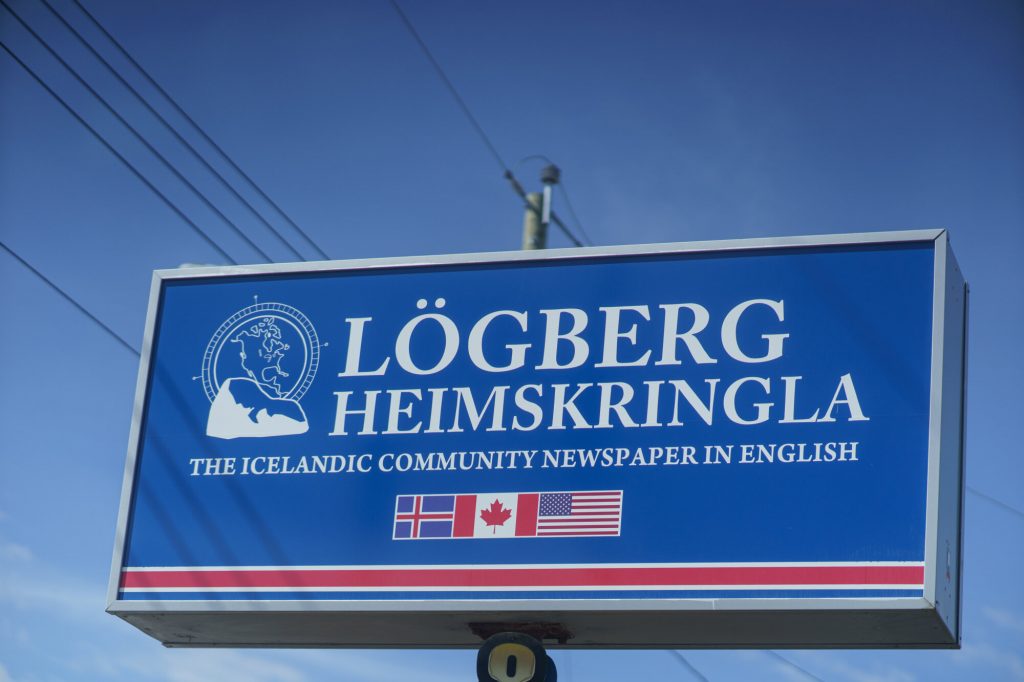
The paper reflects values that have shaped the Icelandic community over time. “I think our culture has always focused on education, literacy, equality… those kinds of values have been a strong part of the Icelandic community, and it’s something that I think we like to maintain,” Botting says. Even as Icelanders built new lives in Canada, they carried their traditions with them. “They came, they were patriotic to Canada, but they maintained their patriotism also to Iceland because they wanted to maintain that culture.”
That dual sense of belonging continues today, expressed not only through the newspaper, but through active participation in community life. “Even though we’re very small, you’ll see that a lot of people in the Icelandic community participate very widely and broadly… in all aspects of the community,” Botting notes.
At the centre of this participation is volunteerism. The newspaper itself is sustained by people giving their time and talents. “One of the ways we build community through the paper is not just by reading the paper… it’s getting people involved in the newspaper and all kinds of volunteer aspects,” she says. “Our board is volunteer. We have a number of committees that are volunteer committees… we have volunteers that help us on events.”
These shared efforts strengthen relationships and create a sense of common purpose. “That way we all connect as a community for a common goal.”
Support from Winnipeg Foundation has helped sustain that work and keep the community strong. “We do appreciate the support of the Winnipeg Foundation,” says Botting. “The Foundation, the endowment, the ability to apply for different grants… that has been very positive for us.”
This support helps ensure that cultural connections continue to grow. “Keeping communities alive… I think that’s really important,” she says. “I think this is helping keep our community alive, informed, and connected.” With support from the Winnipeg Foundation, Lögberg-Heimskringla is developing a short documentary to celebrate its role as a heritage institution and strengthen connections within the Icelandic community.
Looking ahead, Botting sees a future that honours tradition while welcoming change. “I see Lögberg sustaining for a while and I think it’s going to change,” she says. “You always want to keep refreshing… getting younger people involved.”
That renewal is already underway. “There’s a whole group of younger people… and a lot of them are becoming more interested in the paper,” she notes, pointing to a new generation stepping into leadership and participation.
At its core, Lögberg-Heimskringla remains a community effort, one that depends on people sharing their voices, time, and stories. Botting encourages others to take part. “Anybody that’s of Icelandic descent and is interested in their heritage might want to give us a try,” she says. “We’d love to hear your stories.”
Those contributions become part of something lasting. “Eventually, these stories will become a part of Tímarit, so they become a permanent document,” she explains. Tímarit is an open-access digital library and archive that hosts millions of newspapers from Iceland and Greenland, and the Lögberg-Heimskringla’s full historical library will be immortalized there as well. “If you have some interesting stories about your family or your history, we’d love for you to participate.”
Through shared stories and volunteer energy, Lögberg-Heimskringla continues to do what it has always done: bring people together, strengthen culture, and help a community stay connected across generations.
Stories