Many Paths to Financial Empowerment
SEED Winnipeg provides practical financial supports that help Manitobans access benefits, manage money, build businesses, and work toward greater financial security and opportunity.



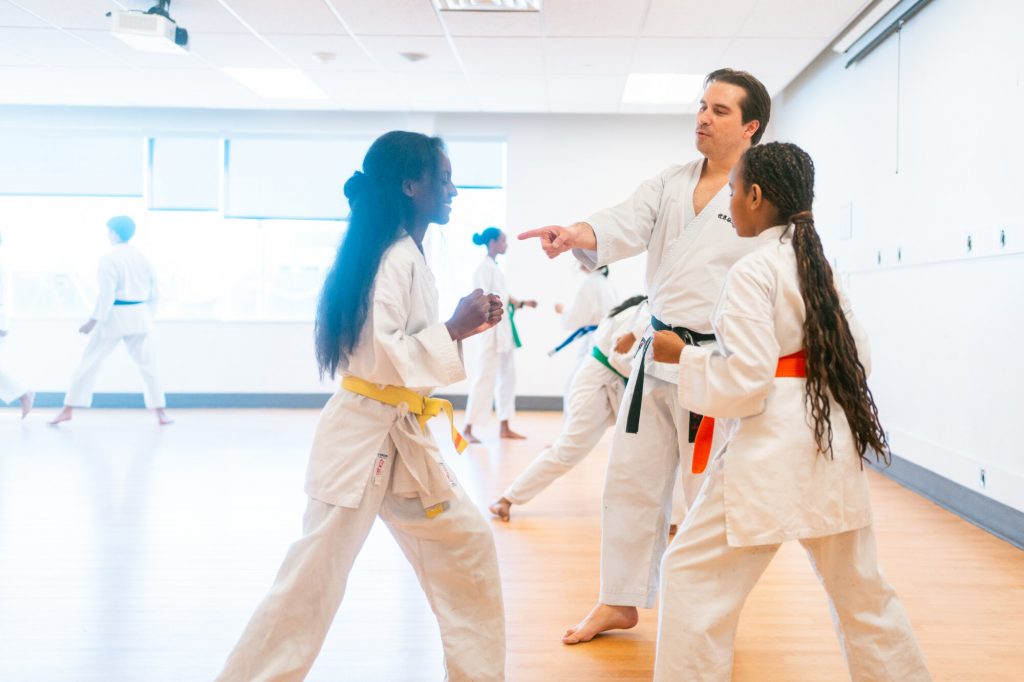
Photo credit: Kyle Thomas
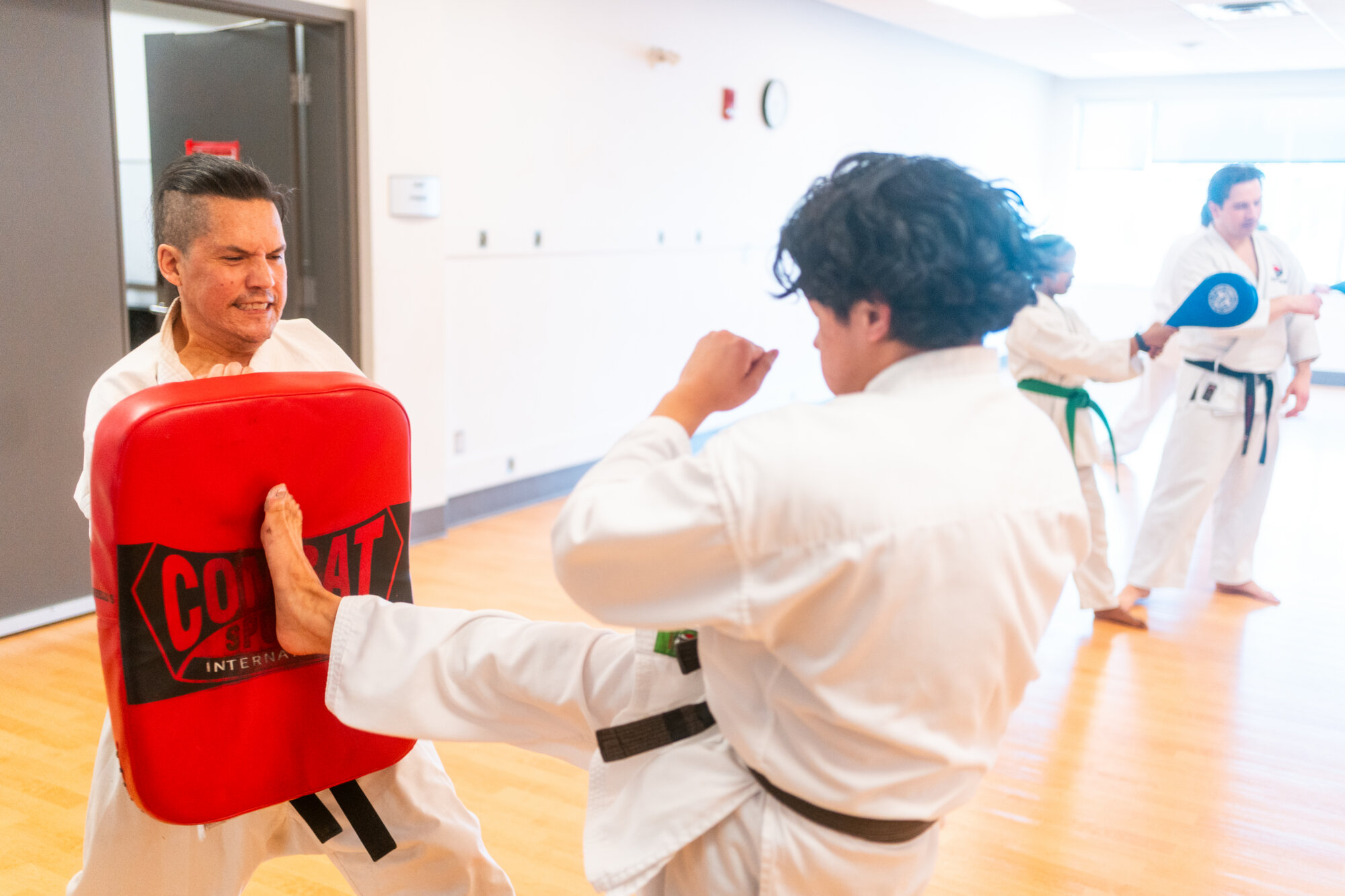
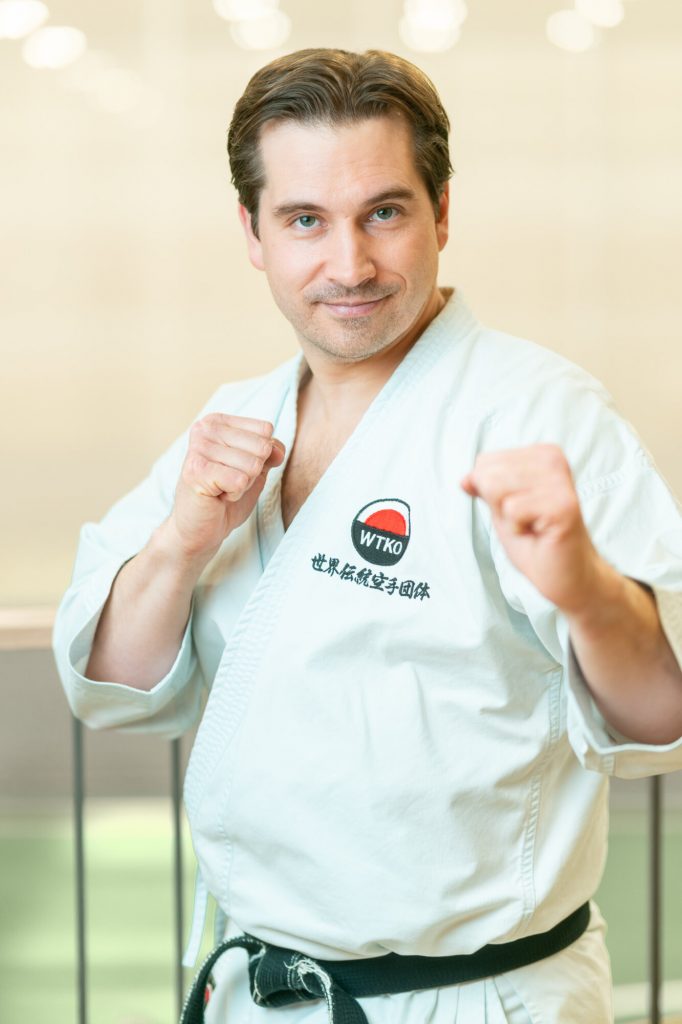
Sensei Alan Taylor, who holds a 4th degree black belt in Shotokan karate, shares several memories from the 10-plus years he’s spent teaching karate to poverty-challenged, inner-city youth in Winnipeg, but one stands out the most.
Sensei Taylor recalls when Rainier Villanueva, age 10, joined The Y-Not? Inner-City Karate Program in the Axworthy Health and RecPlex in 2017—a program operated by MacKinnon’s Y-Not? Anti-Poverty Program Inc., a grassroots charity.
Over the next three years, Rainier worked his way from a white belt (the first belt in karate’s ranking system) to a brown belt (the seventh belt, and one of three levels before black). Rainier was a competent and consistent student, Sensei Taylor recalls, but he still struggled, as most youngsters do.
When the COVID-19 pandemic reached Manitoba, Sensei Taylor took to teaching the classes online. It was then that Rainier hit his growth spurt and Sensei Taylor started noticing the difference in his abilities.
“It’s almost like a light switch came on,” Sensei Taylor recalls. “He went from struggling to looking amazing. I was shocked. This was a night-and-day difference.”
Rainier returned to in-person classes in 2022 and earned his black belt two years later. Only then did Rainier’s mother tell Sensei Taylor that Rainier had chronic kidney disease, and that he passed his black belt test with only one kidney that was functioning at 20 per cent.
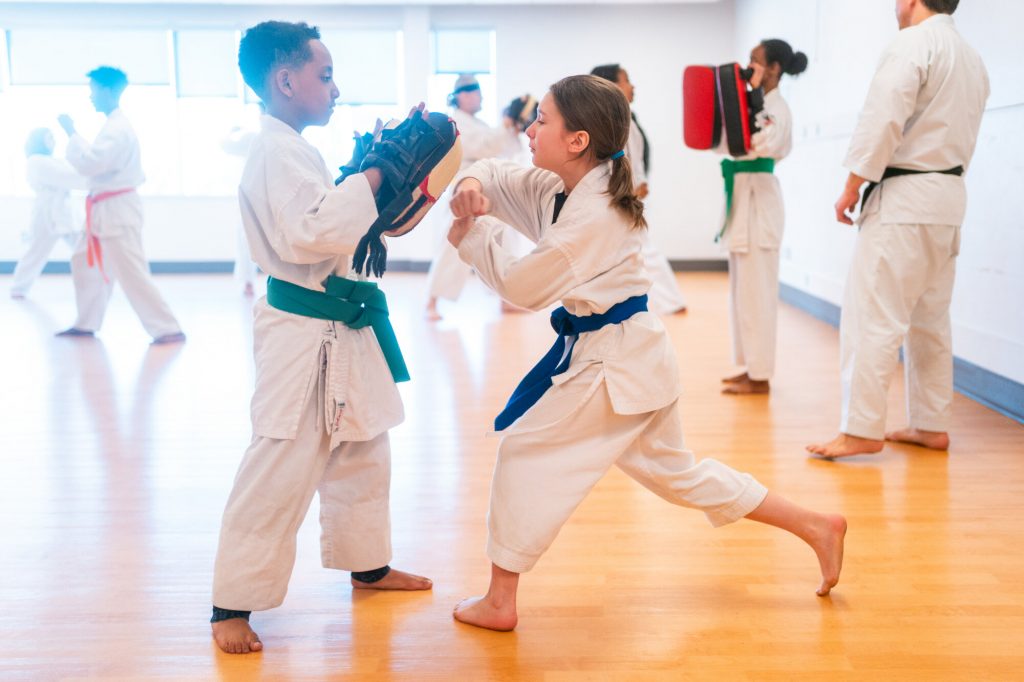
More impressive than Rainier’s physical abilities, Sensei Taylor adds, is the fact that Rainier committed to earning his black belt even after failing his first black-belt test—a common experience for many attempting the Shodan test for the first time.
After accepting the disappointment of his first attempt, Ranier showed perseverance and determination, and he was successful in his second attempt.
That kind of perseverance is one of the things Sensei Taylor tries to teach each student in the program.
No matter how long participants stick with karate, he believes the program is fruitful so long as they get something out of it that improves their life in some way.
“If I had any sort of impact on their choices to graduate high school and be positive with themselves, that’s a success,” he says.
Improving young people’s lives through physical activity has been the goal at MacKinnon’s Y-Not? Anti-Poverty Program since Brian MacKinnon began its predecessor, The R.B. Russell Downtown Y Program, in 2002, sending thousands of inner-city youth and hundreds of families to the YMCA-YWCA since then.
The organization focuses on providing inner-city youth with accessible, community-based recreational programming in safe, structured spaces so that they can build confidence, discipline and social connections.
MacKinnon, who taught at R.B. Russell Vocational High School, practiced karate as far back as the 1960s, achieving his brown belt in 1975, and a black belt in 2005.
At the beginning of 2016, he had a dream to start The Y-Not? Inner-City Karate Program. That dream became a reality when he met with Sensei Taylor, who agreed to come on board as chief instructor. Sensei Taylor began teaching students that February.
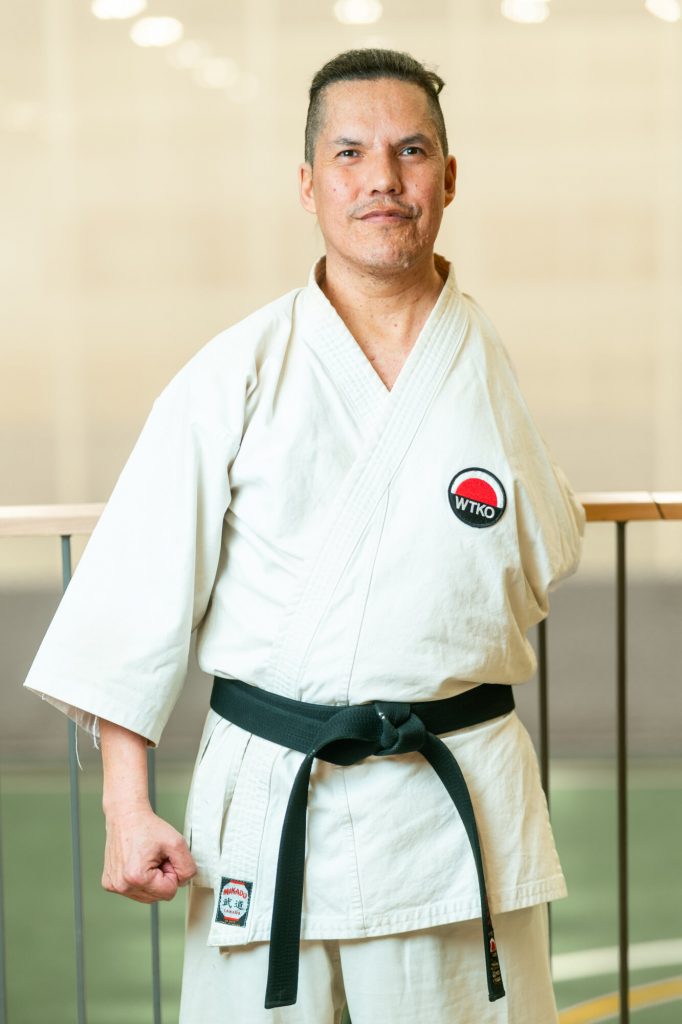
Today, Sensei Taylor runs the program every Monday, Wednesday and Friday, with two back-to-back classes each evening. Sensei Warren Hotomani, who achieved his black belt in spite of losing an arm to cancer, assists him.
The classes are highly physical, with a balanced focus on basic techniques, partner work that includes combative drills, physical and performance-based conditioning, and kata—a prearranged pattern of choreographed offensive and defensive movements, specific to each belt level.
At the end of every class, they repeat a philosophy known as Dojo Kun that captures the spirit of karate training, reinforcing self-control, self-discipline, and the drive for constant improvement: “Seek perfection of character. Be faithful. Endeavour to excel. Respect others. Refrain from violent behaviour.”
The program is open to anyone who is 10 years old or older. MacKinnon’s Y-Not? Anti-Poverty Program provides everything free of charge, including instruction, uniforms, belts, equipment, snacks, access to special guest instructors and seminars through the World Traditional Karate Organization, and a year-end class and picnic that allows families to celebrate participants’ accomplishments.
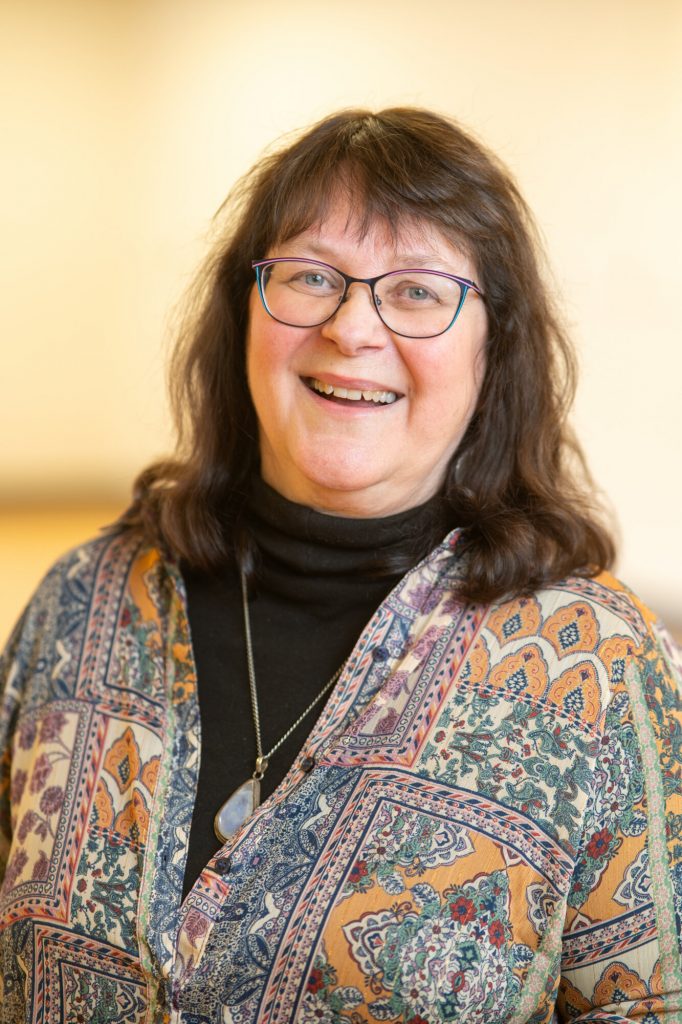
The annual cost to run the karate program is around $20,000, but the value is easily four times that, says Margaret Shaw-MacKinnon, executive director of MacKinnon’s Y-Not? Anti-Poverty Program (whose husband is Brian). Karate would be otherwise unaffordable for participants.
Winnipeg Foundation has provided generous grants over many years to the charity. Last year, The Foundation provided an $8,000 Community Grant along with donor directed funds to support the karate program.
“We sing the praises of the Winnipeg Foundation, other long-time donors such as Richard Bird and Dave Johnston, and our board members, Ross Robinson and Bill Cannon, who have contributed to this wonderful Y-Not? structure that exists within the community to assist people in poverty in so many ways,” Shaw-MacKinnon says.
“In addition to karate,” she adds, “MacKinnon’s Y-Not? Anti-Poverty Program distributes $20,000 of emergency groceries annually and thousands of dollars’ worth of hoodies and granola bars to schools. The charity has served more than 50 schools and off-campus programs over the years.”
Karate training increases students’ self-confidence and self-discipline, while adding to physical and mental health in an atmosphere that encourages inclusion, camaraderie, and achieving one’s personal best.
“Brian and Alan are truly dedicated to the wellbeing of their participants,” says Shaw-MacKinnon, noting that while Brian’s stepped away from the charity’s day-to-day operations, he still serves as an advisor. “It’s uplifting to see that kind of commitment to the well-being of the community.”
The MacKinnon family—including Brian and Margaret’s adult children, Eve (on projects), Arthur and Olivia (fieldwork)—has served and volunteered, as have a community of loyal donors, principals, teachers, counsellors, recreation facility administrators, families in poverty, occasional project assistants, all-important accountants, and more.
The organization plans to keep contributing to the community for years to come.
“There is an ongoing charitable need for help in Winnipeg’s inner city, so MacKinnon’s Y-Not? Anti-Poverty Program reaches out with assistance,” Shaw-MacKinnon says.
“In a world of such suffering and troubles, I consider it a great privilege to be able to do good works and make a difference in the lives of at-risk, in-need youth, and families in poverty in Winnipeg. Brian so beautifully set the stage for these good works to continue.”
Stories